Explore the transformative impact of 5G technology in the healthcare market, enhancing telemedicine, patient care, and emergency response efficiency.
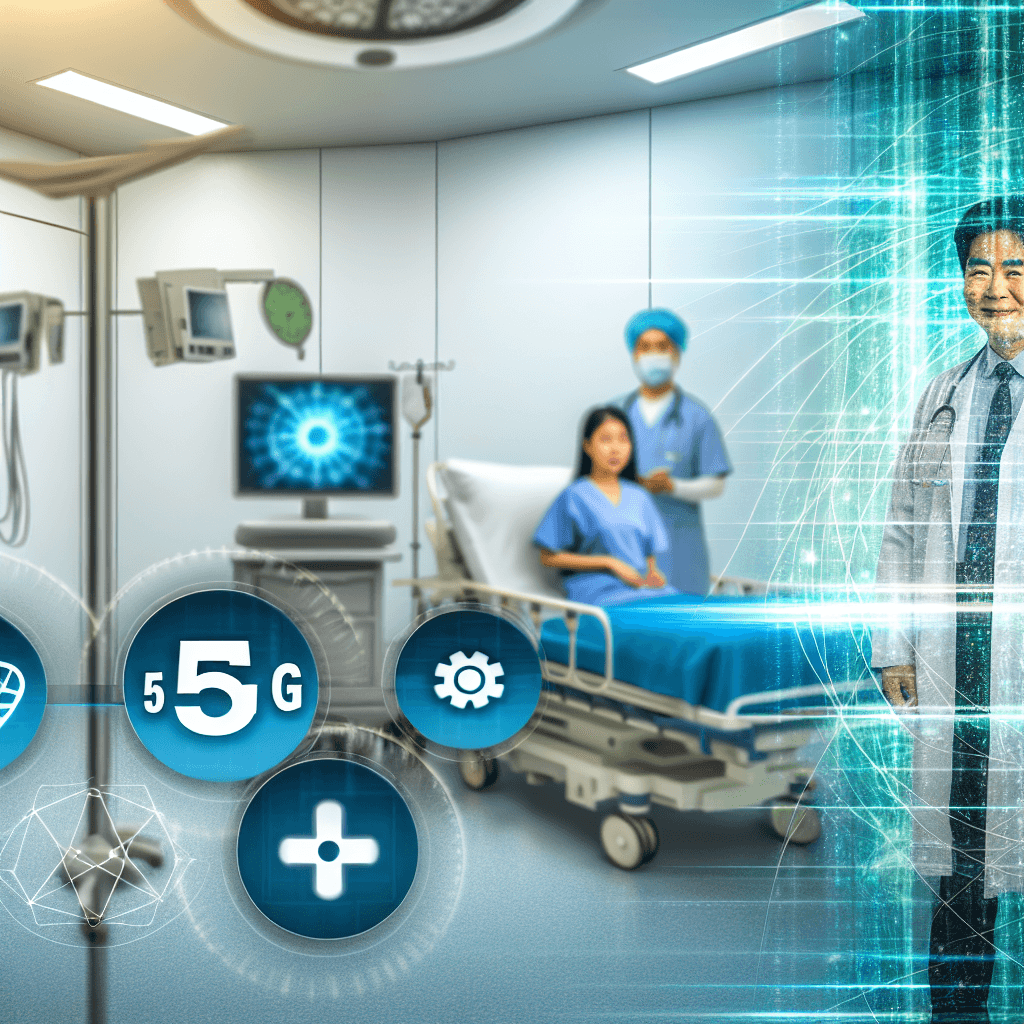
Table of Contents
- Exploring the Impact of 5G in the Healthcare Market
- The Role of 5G in Modern Healthcare
- Enhanced Telemedicine
- Real-time Remote Monitoring
- Integration of AI and IoT
- Case Studies: 5G Transforming Healthcare
- Remote Surgeries
- Emergency Response
- Statistical Insights into 5G Adoption in Healthcare
- Challenges and Considerations
- Infrastructure and Cost
- Data Privacy and Security
- Regulatory Compliance
- Conclusion: The Future of 5G in Healthcare
Exploring the Impact of 5G in the Healthcare Market
The advent of 5G technology promises transformative changes across various sectors, with healthcare standing out as one of the primary beneficiaries. This next-generation wireless technology offers unprecedented data transmission speeds and reliability, which could significantly enhance medical services and patient outcomes. This article delves into how 5G technology is poised to revolutionize the healthcare industry by improving service delivery, patient monitoring, and enabling new medical innovations.
The Role of 5G in Modern Healthcare
5G technology is not just about faster internet speeds; it also provides ultra-low latency communication and the ability to connect more devices simultaneously. In healthcare, these features can lead to improvements in various areas including telemedicine, real-time remote monitoring, and AI integration.
Enhanced Telemedicine
Telemedicine has become increasingly important, especially highlighted by the COVID-19 pandemic. 5G can enhance telemedicine services by improving the quality of video consultations and enabling more reliable and instantaneous communication between patients and healthcare providers.
Real-time Remote Monitoring
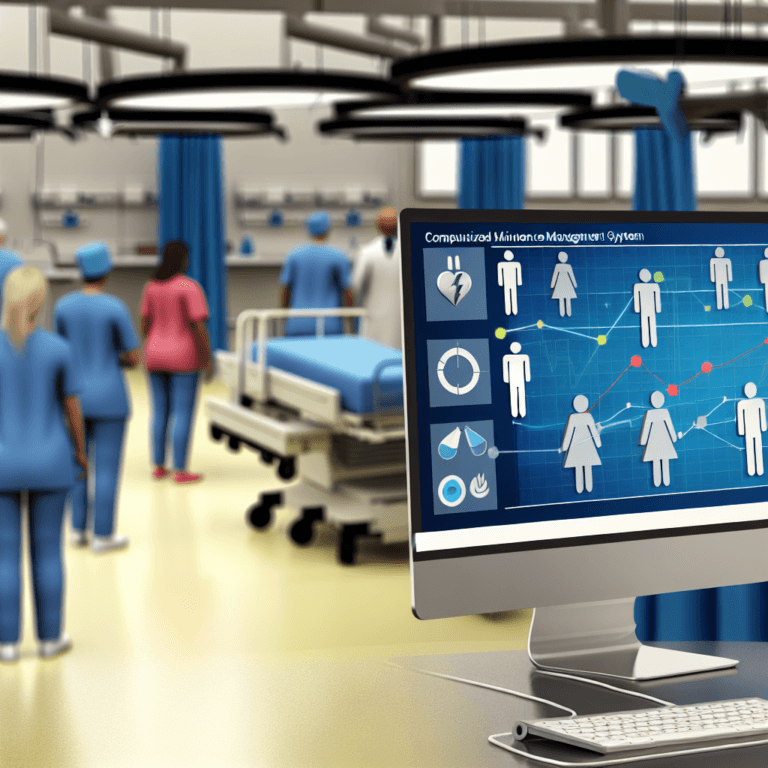
5G enables real-time remote monitoring of patients, which is particularly beneficial for chronic disease management. Healthcare providers can receive instantaneous data from medical devices, leading to timely interventions and better management of patient health conditions.
Integration of AI and IoT
The integration of AI and IoT in healthcare is facilitated by 5G’s high speed and low latency. AI can analyze large datasets quickly, while IoT devices can operate efficiently with improved connectivity, enhancing both patient care and operational efficiency.
Case Studies: 5G Transforming Healthcare
To illustrate the potential impact of 5G in healthcare, several case studies and pilot projects around the world provide a glimpse into the future of medical care enabled by advanced connectivity.
Remote Surgeries
In China, the first remote surgery on a human using 5G technology was successfully performed in 2019. A surgeon in a remote location used a robotic arm to perform the surgery, which was made possible by the low latency of 5G. This breakthrough demonstrates the potential for conducting complex medical procedures over long distances, potentially saving lives in emergency situations or in regions lacking specialized medical professionals.
Emergency Response
In Sweden, researchers are testing the use of 5G-connected drones to deliver automated external defibrillators (AEDs) to scenes of cardiac arrests. The speed and reliability of 5G ensure that the drones are dispatched and guided with precision, potentially increasing the survival rates in cardiac emergencies.
Statistical Insights into 5G Adoption in Healthcare
The adoption of 5G in healthcare is anticipated to grow significantly. According to a report by Grand View Research, the global 5G in healthcare market size was valued at USD 1.3 billion in 2021 and is expected to expand at a compound annual growth rate (CAGR) of 76.3% from 2022 to 2030.
- The increase in remote healthcare services and the expansion of telemedicine are major factors driving this growth.
- Regions with advanced 5G infrastructure, such as North America and Asia Pacific, are leading in the adoption of 5G healthcare solutions.
- Government initiatives to promote digital health technologies are also supporting the market growth.
Challenges and Considerations
Despite the promising benefits, the integration of 5G in healthcare does face several challenges.
Infrastructure and Cost
Developing the necessary infrastructure for 5G can be costly and time-consuming. Hospitals and other healthcare facilities need to invest in new equipment and systems to support 5G capabilities.
Data Privacy and Security
With the increase in data transmission, there are heightened concerns about data privacy and security. Ensuring the protection of sensitive health information is paramount, requiring robust cybersecurity measures.
Regulatory Compliance
Healthcare is a highly regulated sector, and any new technology must comply with existing laws and regulations. Navigating these can be complex, especially across different countries with varying standards.
Conclusion: The Future of 5G in Healthcare
The integration of 5G technology into the healthcare sector holds remarkable potential to enhance medical services, improve patient outcomes, and streamline operations. From remote surgeries to real-time patient monitoring, the capabilities enabled by 5G could lead to significant advancements in medical care. However, realizing these benefits requires overcoming substantial challenges, including infrastructure development, data security, and regulatory hurdles. As the technology matures and more use cases are developed, the healthcare industry must continue to adapt and innovate, ensuring that 5G technology is implemented in a way that maximizes its benefits while minimizing its risks.
Ultimately, the successful integration of 5G in healthcare will depend on collaboration among technology providers, healthcare professionals, and regulatory bodies to create a secure, efficient, and patient-centric healthcare ecosystem.