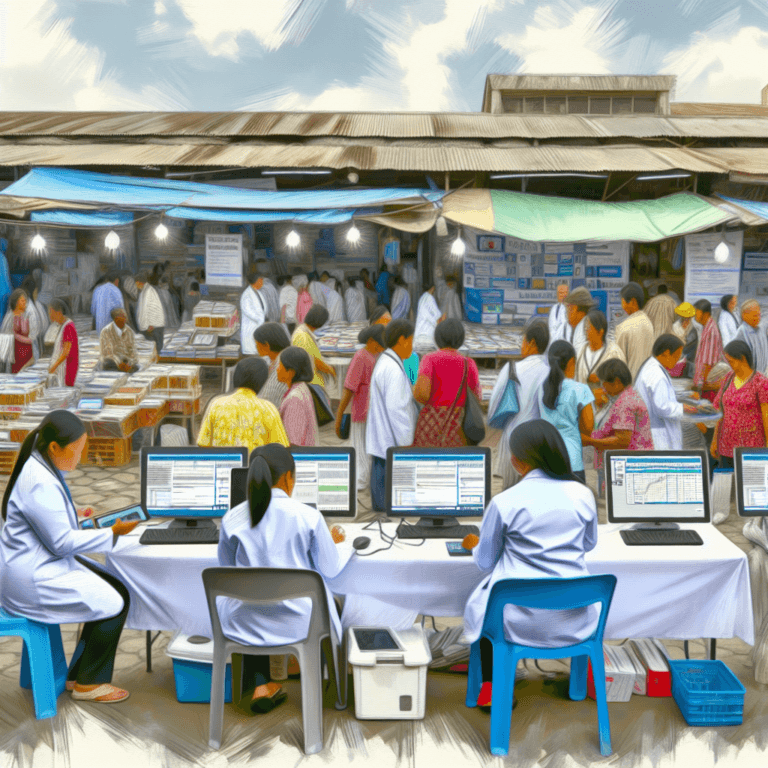
Discover how life sciences are playing a crucial role in fighting global diseases and improving public health. Learn more in this informative article.
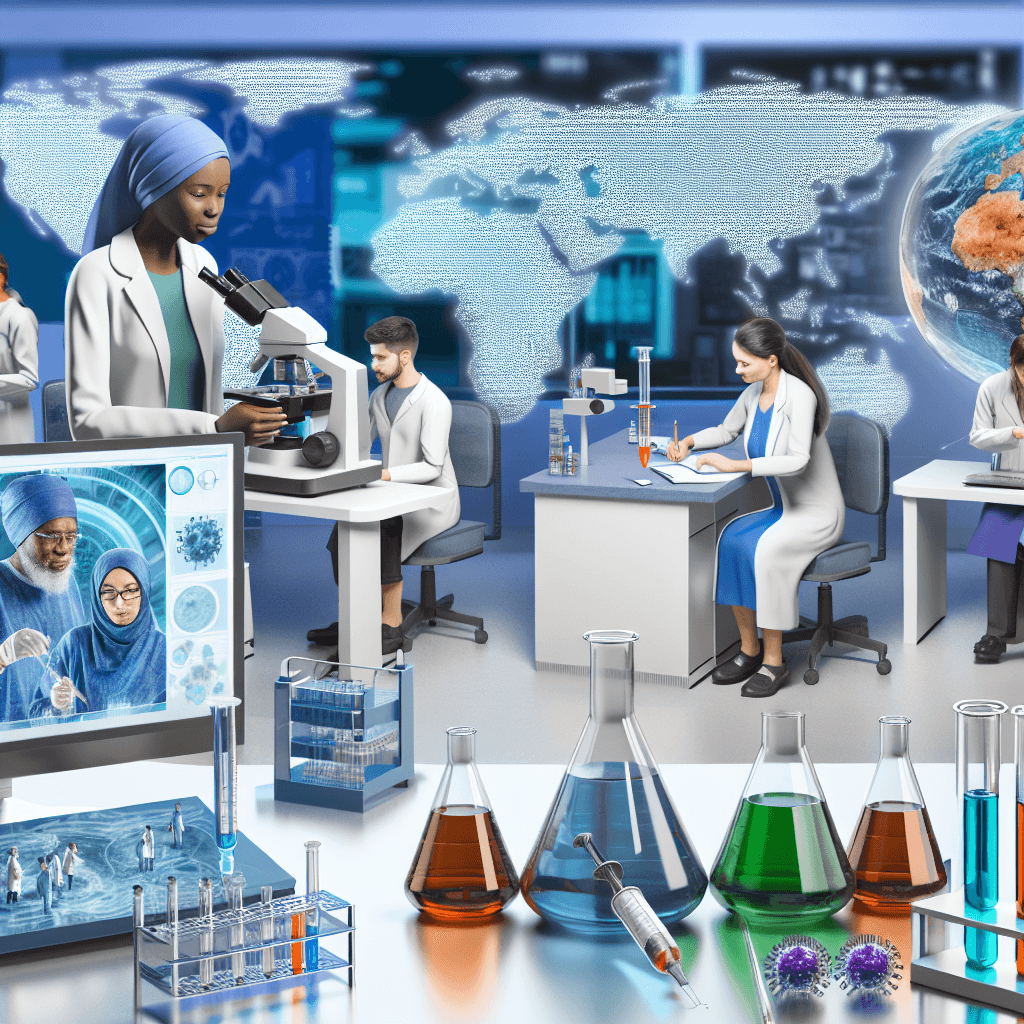
Table of Contents
- Introduction
- The Impact of Biotechnology on Disease Prevention and Treatment
- Advancements in Genetics and Their Role in Understanding and Treating Diseases
- The Role of Pharmaceutical Companies in Developing and Distributing Life-Saving Medications
- Collaborative Efforts in Global Health: How Governments, NGOs, and Scientists are Working Together to Combat Diseases
- Q&A
- Conclusion
“Uncovering the power of life sciences to fight against global diseases.”
Introduction
The field of life sciences plays a crucial role in combating global diseases. With advancements in technology and research, life sciences have greatly contributed to the prevention, diagnosis, and treatment of various diseases that affect populations worldwide. From developing new medicines to understanding the mechanisms of diseases, life sciences have revolutionized the way we approach global health challenges. In this essay, we will explore the significant role of life sciences in combating global diseases and how it continues to shape the future of healthcare.
The Impact of Biotechnology on Disease Prevention and Treatment
The field of life sciences has made significant contributions to the prevention and treatment of global diseases. With the advancement of biotechnology, scientists and researchers have been able to develop innovative solutions to combat various diseases that have plagued humanity for centuries. From vaccines to gene therapy, biotechnology has revolutionized the way we approach disease prevention and treatment.
One of the most significant impacts of biotechnology on disease prevention is the development of vaccines. Vaccines work by introducing a weakened or dead form of a virus or bacteria into the body, triggering the immune system to produce antibodies to fight against it. This process creates immunity, protecting individuals from contracting the disease in the future. Vaccines have been instrumental in eradicating diseases such as smallpox and polio, and continue to play a crucial role in preventing the spread of diseases like measles, mumps, and rubella.
In addition to vaccines, biotechnology has also played a vital role in the development of diagnostic tools for disease detection. With the use of biotechnology, scientists have been able to identify specific biomarkers that indicate the presence of a disease in the body. This has led to the development of various diagnostic tests, such as blood tests and imaging techniques, which allow for early detection and treatment of diseases. Early detection is crucial in preventing the spread of diseases and improving treatment outcomes.
Moreover, biotechnology has also revolutionized the treatment of diseases through the development of biopharmaceuticals. Biopharmaceuticals are drugs that are produced using living organisms, such as bacteria or yeast. These drugs are highly specific and can target specific disease-causing agents, making them more effective and less harmful to the body compared to traditional drugs. Biopharmaceuticals have been used to treat a wide range of diseases, including cancer, autoimmune disorders, and infectious diseases.
Another significant impact of biotechnology on disease treatment is the development of gene therapy. Gene therapy involves the insertion of healthy genes into cells to replace or repair damaged or mutated genes. This approach has shown promising results in the treatment of genetic disorders, such as cystic fibrosis and hemophilia. It has also been used in the treatment of certain types of cancer, where genes are inserted into immune cells to help them recognize and attack cancer cells.
Furthermore, biotechnology has also played a crucial role in the development of personalized medicine. Personalized medicine involves tailoring medical treatments to an individual’s genetic makeup, lifestyle, and environment. With the use of biotechnology, scientists can analyze an individual’s genetic information and identify potential risks for certain diseases. This information can then be used to develop personalized treatment plans that are more effective and have fewer side effects.
In addition to its impact on disease prevention and treatment, biotechnology has also played a significant role in disease surveillance and control. With the use of biotechnology, scientists can track the spread of diseases and identify potential outbreaks. This information is crucial in implementing timely and effective measures to prevent the spread of diseases and protect public health.
In conclusion, the impact of biotechnology on disease prevention and treatment cannot be overstated. From the development of vaccines and diagnostic tools to personalized medicine and gene therapy, biotechnology has revolutionized the way we approach diseases. With continued advancements in this field, we can hope to see even more innovative solutions to combat global diseases and improve public health.
Advancements in Genetics and Their Role in Understanding and Treating Diseases
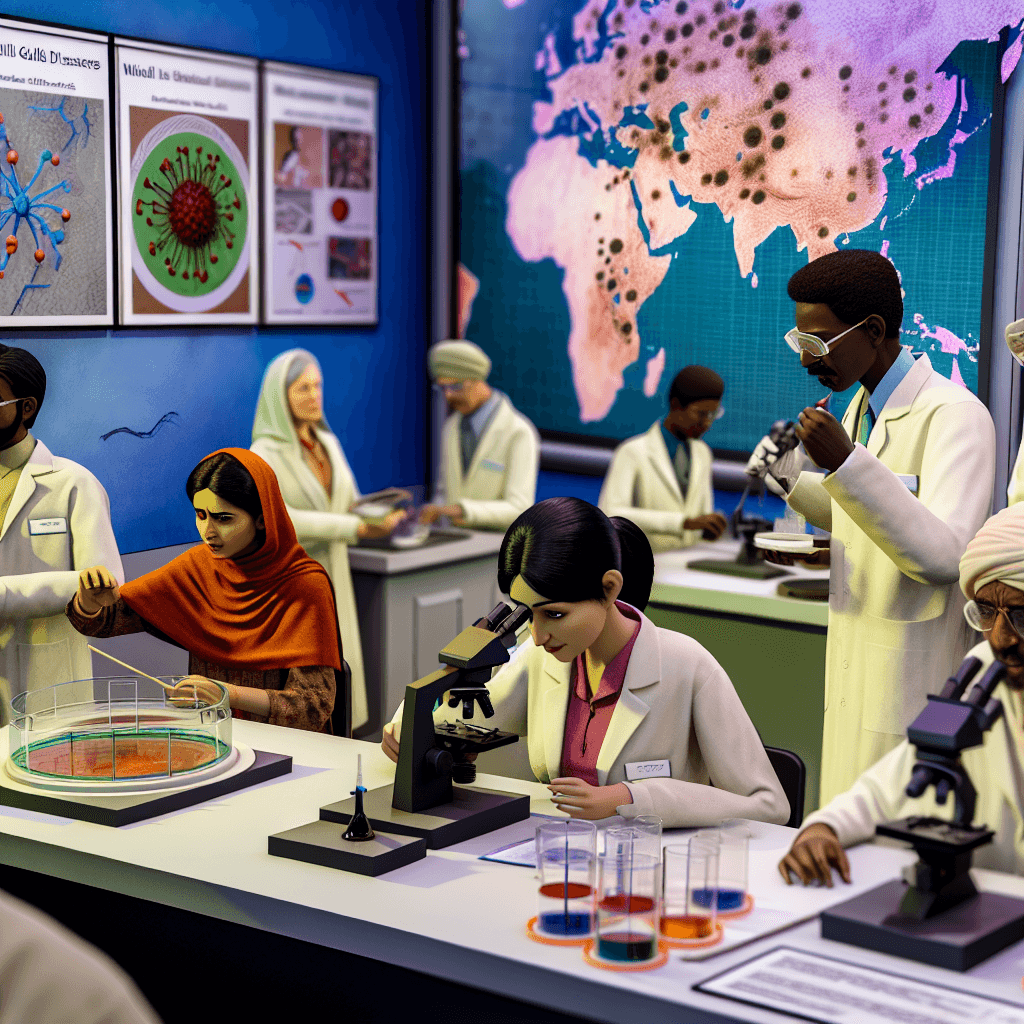
The field of life sciences has made significant advancements in recent years, particularly in the area of genetics. These advancements have played a crucial role in understanding and treating diseases on a global scale. With the rise of emerging and re-emerging diseases, it has become more important than ever to have a deep understanding of the genetic makeup of organisms and how it relates to disease.
One of the most significant advancements in genetics is the development of genome sequencing technology. This technology allows scientists to map out the entire genetic code of an organism, providing a wealth of information about its genetic makeup. This has been particularly useful in understanding the genetic basis of diseases. By studying the genetic sequences of individuals with a particular disease, scientists can identify specific genetic variations that may be responsible for the disease.
This information has been crucial in the development of personalized medicine, where treatments are tailored to an individual’s genetic makeup. This approach has shown promising results in treating diseases such as cancer, where different genetic variations can affect how a person responds to treatment. By understanding the genetic basis of diseases, scientists can develop more targeted and effective treatments, leading to better outcomes for patients.
In addition to personalized medicine, genetics has also played a significant role in disease prevention. With the rise of infectious diseases, understanding the genetic makeup of pathogens has become crucial in developing vaccines and treatments. By studying the genetic sequences of viruses and bacteria, scientists can identify potential targets for vaccines and develop more effective treatments. This has been particularly important in combating diseases such as Ebola and Zika, where outbreaks have caused significant global health concerns.
Furthermore, genetics has also played a crucial role in understanding the spread of diseases. By studying the genetic makeup of pathogens, scientists can track the transmission of diseases and identify potential sources of outbreaks. This has been particularly useful in the case of COVID-19, where the genetic sequencing of the virus has helped scientists understand how it spreads and how it evolves over time. This information has been crucial in developing strategies to contain and mitigate the spread of the virus.
Another significant advancement in genetics is the development of gene editing technology. This technology allows scientists to make precise changes to an organism’s genetic code, opening up new possibilities for treating diseases. One example of this is the use of CRISPR-Cas9, a gene editing tool that has shown promising results in treating genetic disorders such as sickle cell disease and beta-thalassemia. This technology has the potential to revolutionize the treatment of genetic diseases, providing hope for millions of people around the world.
Moreover, genetics has also played a crucial role in understanding the genetic basis of complex diseases such as Alzheimer’s and Parkinson’s. By studying the genetic sequences of individuals with these diseases, scientists have identified specific genetic variations that may increase a person’s risk of developing these conditions. This information has been crucial in developing early detection methods and potential treatments for these diseases.
In conclusion, the advancements in genetics have played a crucial role in understanding and treating diseases on a global scale. From personalized medicine to disease prevention and gene editing technology, genetics has opened up new possibilities for combating diseases. With continued research and development in this field, we can hope to see even more significant advancements in the future, leading to better health outcomes for individuals and communities worldwide.
The Role of Pharmaceutical Companies in Developing and Distributing Life-Saving Medications
The field of life sciences has played a crucial role in combating global diseases. From developing new treatments to distributing life-saving medications, the contributions of pharmaceutical companies have been instrumental in improving global health outcomes.
Pharmaceutical companies are at the forefront of research and development in the life sciences industry. They invest significant resources in discovering and developing new medications to treat a wide range of diseases. This includes infectious diseases such as HIV/AIDS, malaria, and tuberculosis, as well as chronic conditions like cancer, diabetes, and cardiovascular diseases.
The process of developing a new medication is a lengthy and complex one. It involves rigorous testing and clinical trials to ensure the safety and efficacy of the drug. Pharmaceutical companies work closely with regulatory bodies to ensure that their medications meet the necessary standards before they can be approved for distribution.
Once a medication has been approved, pharmaceutical companies play a crucial role in manufacturing and distributing it to those in need. This involves large-scale production and distribution networks to ensure that the medication reaches patients in different parts of the world. In many cases, pharmaceutical companies also work with governments and non-profit organizations to provide medications at affordable prices to low-income countries.
In addition to developing and distributing medications, pharmaceutical companies also play a vital role in educating healthcare professionals and the public about diseases and their treatments. They provide training and resources to healthcare providers to ensure that they have the necessary knowledge and skills to diagnose and treat diseases effectively. They also engage in public awareness campaigns to educate the general population about the importance of disease prevention and treatment.
One of the most significant contributions of pharmaceutical companies in combating global diseases is their involvement in research and development for neglected diseases. These are diseases that primarily affect low-income countries and have been historically overlooked by the pharmaceutical industry due to their lack of profitability. However, in recent years, there has been a shift towards addressing neglected diseases, with pharmaceutical companies investing in research and development for treatments and vaccines.
The role of pharmaceutical companies in developing and distributing life-saving medications has been particularly crucial in the face of the ongoing COVID-19 pandemic. The rapid development and distribution of vaccines against the virus would not have been possible without the expertise and resources of pharmaceutical companies. Their contributions have been essential in controlling the spread of the virus and saving countless lives.
However, the role of pharmaceutical companies in global health is not without its challenges. The high cost of medications and the issue of access to essential treatments in low-income countries have been ongoing concerns. Pharmaceutical companies must balance their responsibility to shareholders with their commitment to improving global health outcomes. This has led to ongoing discussions and debates about the ethics of drug pricing and access to medications.
In conclusion, the role of pharmaceutical companies in developing and distributing life-saving medications is crucial in combating global diseases. Their contributions in research and development, manufacturing, and distribution have been instrumental in improving global health outcomes. However, there is still room for improvement, and it is essential for pharmaceutical companies to continue to work towards making essential treatments accessible and affordable for all.
Collaborative Efforts in Global Health: How Governments, NGOs, and Scientists are Working Together to Combat Diseases
The world is facing a constant threat from various diseases that have the potential to cause widespread devastation. From infectious diseases like malaria and tuberculosis to chronic illnesses like cancer and diabetes, these health issues not only affect individuals but also have a significant impact on the global economy. In order to combat these diseases, it is crucial for governments, non-governmental organizations (NGOs), and scientists to work together in a collaborative effort.
Governments play a crucial role in addressing global health issues. They have the power to implement policies and allocate resources towards disease prevention and control. In recent years, there has been a growing recognition among governments of the importance of investing in the life sciences sector to combat diseases. This has led to an increase in funding for research and development in the field of life sciences.
NGOs also play a vital role in global health efforts. These organizations often have a strong presence in developing countries where diseases are prevalent. They work closely with local communities to provide education, resources, and support for disease prevention and treatment. NGOs also play a crucial role in advocating for policy changes and raising awareness about global health issues.
One of the key players in the fight against diseases is the scientific community. Scientists are at the forefront of research and development, constantly working towards finding new treatments and cures for diseases. They also play a crucial role in monitoring and tracking the spread of diseases, which is essential for effective disease control.
Collaboration between these three entities is crucial in addressing global health issues. Governments, NGOs, and scientists must work together to develop effective strategies and solutions. This collaboration can take various forms, such as joint research projects, sharing of resources and expertise, and implementing policies and programs.
One example of successful collaboration in global health is the Global Fund to Fight AIDS, Tuberculosis, and Malaria. This partnership between governments, NGOs, and the private sector has been instrumental in providing funding for prevention, treatment, and care for these three diseases. The Global Fund has also played a crucial role in strengthening health systems in developing countries, which is essential for long-term disease control.
Another example is the Global Polio Eradication Initiative, a partnership between governments, NGOs, and the World Health Organization (WHO). This initiative has made significant progress in eradicating polio, with the number of cases decreasing from 350,000 in 1988 to just 33 in 2018. This success would not have been possible without the collaborative efforts of all parties involved.
In addition to these large-scale collaborations, there are also numerous smaller partnerships between governments, NGOs, and scientists that are making a significant impact in combating diseases. For example, the Malaria Vaccine Initiative, a partnership between the Bill and Melinda Gates Foundation, WHO, and other organizations, has made significant progress in developing a vaccine for malaria, a disease that claims hundreds of thousands of lives each year.
Collaborative efforts in global health also extend to the private sector. Pharmaceutical companies, for instance, play a crucial role in developing and producing medicines and vaccines for diseases. In recent years, there has been a growing trend of public-private partnerships in the life sciences sector, where governments and NGOs work with pharmaceutical companies to develop and distribute affordable medicines for diseases that primarily affect developing countries.
In conclusion, the role of life sciences in combating global diseases cannot be underestimated. However, it is only through collaborative efforts between governments, NGOs, and scientists that we can effectively address these health issues. By working together, we can develop innovative solutions, implement effective policies, and ultimately save lives. It is crucial for all parties involved to continue to collaborate and invest in the life sciences sector to ensure a healthier and more prosperous future for all.
Q&A
1. What are some examples of global diseases that life sciences are currently combating?
Some examples of global diseases that life sciences are currently combating include HIV/AIDS, malaria, tuberculosis, and various forms of cancer.
2. How do life sciences play a role in combating these diseases?
Life sciences play a crucial role in combating these diseases through research and development of new treatments, vaccines, and diagnostic tools. They also contribute to understanding the underlying causes and mechanisms of these diseases, which can lead to more effective prevention and treatment strategies.
3. What advancements in life sciences have been made in recent years to combat global diseases?
In recent years, there have been significant advancements in life sciences to combat global diseases. These include the development of new antiretroviral therapies for HIV/AIDS, the introduction of new drugs for malaria and tuberculosis, and the use of precision medicine in cancer treatment. Additionally, there have been advancements in genetic engineering and biotechnology that have led to the creation of more effective vaccines and diagnostic tools.
4. How can the collaboration between life sciences and other industries help in the fight against global diseases?
Collaboration between life sciences and other industries, such as technology and pharmaceuticals, can greatly aid in the fight against global diseases. This collaboration can lead to the development of innovative treatments and technologies, as well as improved access to healthcare in underserved areas. It can also help in the distribution and implementation of new treatments and prevention strategies on a global scale.
Conclusion
In conclusion, life sciences play a crucial role in combating global diseases. Through advancements in technology and research, life sciences have enabled the development of effective treatments, vaccines, and preventive measures for various diseases. Additionally, the study of life sciences has also helped in understanding the causes and mechanisms of diseases, leading to better prevention and management strategies. With the ongoing global health crisis, the importance of life sciences in combating diseases has become even more evident. It is essential to continue investing in and exploring the potential of life sciences to address current and future global health challenges.