Discover the latest consumer behavior trends in dietary supplement usage and how they are impacting the health and wellness industry.
Table of Contents
- Introduction
- The Rise of Personalized Nutrition: How Consumer Behavior is Shaping the Dietary Supplement Industry
- The Impact of Social Media on Consumer Perception and Purchasing of Dietary Supplements
- The Role of Sustainability in Consumer Decision-Making for Dietary Supplement Brands
- The Influence of Health and Wellness Trends on Consumer Behavior in the Dietary Supplement Market
- Q&A
- Conclusion
“Empowering consumers to take control of their health with the latest dietary supplement trends.”
Introduction
Consumer behavior trends in dietary supplement usage have been on the rise in recent years. With an increasing focus on health and wellness, more and more individuals are turning to dietary supplements as a way to support their overall well-being. This trend is driven by various factors such as the desire for preventative healthcare, the influence of social media and celebrity endorsements, and the growing availability and variety of dietary supplements in the market. In this introduction, we will explore the current trends in dietary supplement usage and their impact on consumer behavior.
The Rise of Personalized Nutrition: How Consumer Behavior is Shaping the Dietary Supplement Industry
The dietary supplement industry has experienced significant growth in recent years, with a projected global market value of $278.02 billion by 2024. This growth can be attributed to the increasing awareness and interest in health and wellness among consumers. As people become more conscious of their overall well-being, they are turning to dietary supplements as a means to support their health goals. However, with the rise of personalized nutrition, consumer behavior is shaping the dietary supplement industry in new and exciting ways.
One of the key trends in consumer behavior is the demand for personalized nutrition. With advancements in technology and the availability of genetic testing, consumers are now able to gain a deeper understanding of their unique nutritional needs. This has led to a shift away from a one-size-fits-all approach to nutrition and towards a more personalized approach. As a result, the dietary supplement industry is seeing a rise in products that cater to specific health concerns and genetic predispositions.
Another trend that is shaping the dietary supplement industry is the increasing focus on natural and organic products. Consumers are becoming more conscious of the ingredients in their supplements and are seeking out products that are free from artificial additives and preservatives. This has led to a rise in demand for natural and organic supplements, with the global market expected to reach $22.3 billion by 2024. This trend is also reflected in the growing popularity of plant-based and vegan supplements, as consumers become more environmentally and ethically conscious.
In addition to personalized nutrition and natural products, consumer behavior is also driving the demand for transparency and authenticity in the dietary supplement industry. With the rise of social media and online reviews, consumers are more informed and empowered than ever before. They are seeking out products that are backed by scientific research and have a proven track record of efficacy. This has led to a shift towards evidence-based supplements, with consumers looking for products that have been clinically tested and proven to deliver results.
Furthermore, the rise of e-commerce has also had a significant impact on consumer behavior in the dietary supplement industry. With the convenience of online shopping, consumers are now able to access a wide range of products from the comfort of their own homes. This has led to increased competition among supplement brands, with companies vying for consumer attention through targeted marketing and competitive pricing. As a result, consumers have more options than ever before, and are able to make more informed decisions about their supplement purchases.
The rise of personalized nutrition and the demand for natural, transparent, and evidence-based products have also led to a shift in the types of supplements that consumers are seeking out. While traditional supplements such as multivitamins and minerals remain popular, there has been a rise in demand for more specialized supplements. These include products that target specific health concerns such as joint health, cognitive function, and gut health. Additionally, there has been a surge in demand for supplements that support overall well-being, such as adaptogens and probiotics.
In conclusion, consumer behavior is shaping the dietary supplement industry in significant ways. The demand for personalized nutrition, natural and organic products, transparency and authenticity, and the convenience of e-commerce have all contributed to the growth and evolution of the industry. As consumers continue to prioritize their health and wellness, it is likely that these trends will continue to shape the dietary supplement industry for years to come.
The Impact of Social Media on Consumer Perception and Purchasing of Dietary Supplements
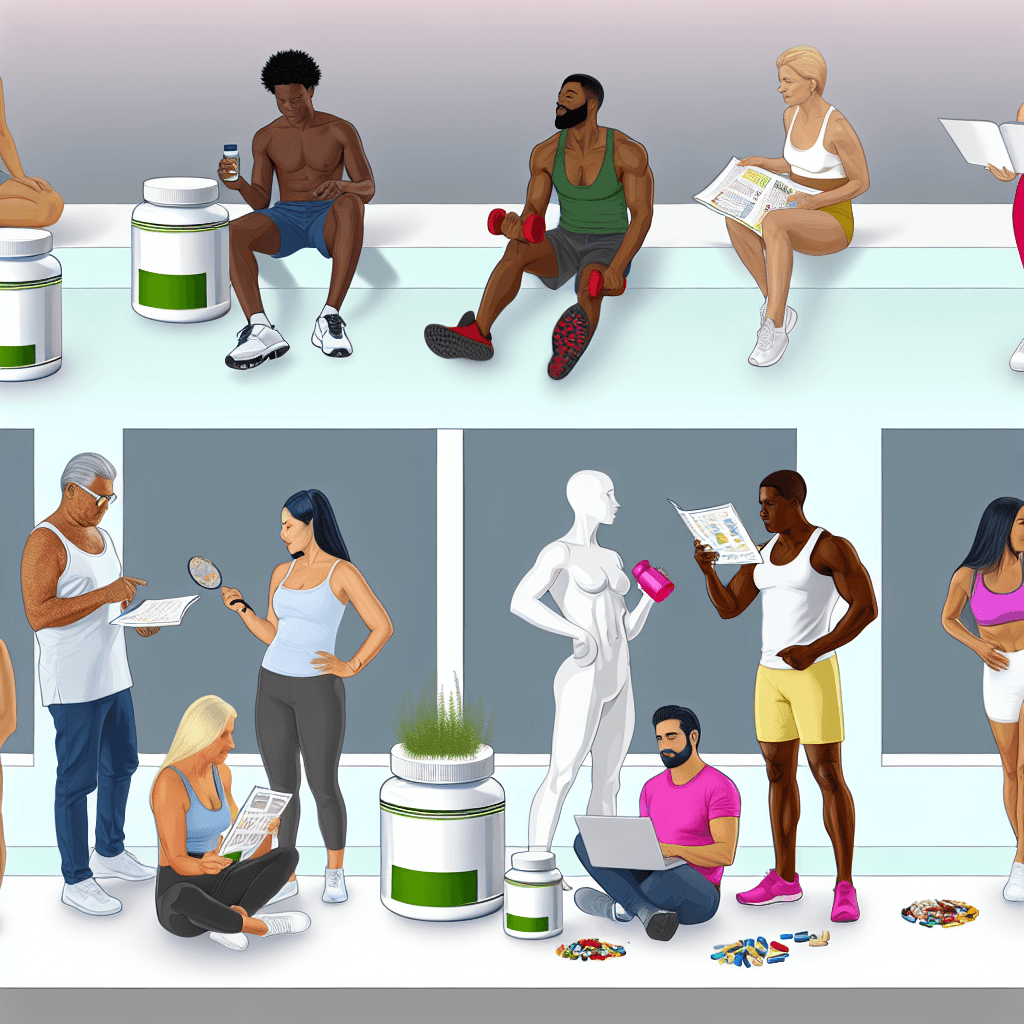
In today’s society, social media has become an integral part of our daily lives. From connecting with friends and family to staying updated on current events, social media has revolutionized the way we communicate and gather information. This also includes the way we make purchasing decisions, especially when it comes to dietary supplements.
The rise of social media has had a significant impact on consumer behavior, particularly in the health and wellness industry. With the increasing popularity of influencers and online health gurus, consumers are turning to social media for information and recommendations on dietary supplements. This has led to a shift in consumer perception and purchasing patterns, as social media has become a powerful tool in shaping consumer behavior.
One of the main ways social media has influenced consumer behavior in the dietary supplement industry is through the use of influencers. These are individuals who have a large following on social media and are seen as experts in their respective fields. Many of these influencers promote dietary supplements, claiming that they have personally experienced the benefits and results. This type of endorsement can have a significant impact on consumer perception, as followers trust and value the opinions of these influencers.
However, the use of influencers in promoting dietary supplements has also raised concerns about the authenticity and credibility of their claims. With the rise of paid partnerships and sponsored content, it can be challenging for consumers to differentiate between genuine recommendations and paid advertisements. This has led to a growing skepticism among consumers, with many questioning the effectiveness and safety of dietary supplements promoted on social media.
Another way social media has influenced consumer behavior is through the use of user-generated content. This refers to content created and shared by consumers themselves, such as reviews, testimonials, and before-and-after photos. With the ease of sharing information on social media, consumers can quickly and easily access a wealth of user-generated content on dietary supplements. This has become a crucial factor in their decision-making process, as they can see real-life results and experiences from other consumers.
However, the reliability of user-generated content is also a concern. With the ability to edit and filter content, it can be challenging to determine the authenticity of these reviews and testimonials. This has led to a growing trend of consumers seeking out reviews from trusted sources, such as friends and family, rather than relying solely on user-generated content on social media.
In addition to influencers and user-generated content, social media has also played a role in the rise of direct-to-consumer (DTC) brands in the dietary supplement industry. These are brands that sell their products directly to consumers through online platforms, bypassing traditional retail channels. Social media has become a crucial marketing tool for DTC brands, as it allows them to reach a large audience and promote their products directly to consumers.
The rise of DTC brands has also led to a shift in consumer purchasing patterns. With the convenience and accessibility of purchasing dietary supplements online, consumers are increasingly turning to DTC brands rather than traditional retail stores. This has also led to a rise in personalized and subscription-based supplement services, where consumers can receive customized supplement plans based on their individual needs and preferences.
In conclusion, social media has had a significant impact on consumer behavior in the dietary supplement industry. From the use of influencers and user-generated content to the rise of DTC brands, social media has become a powerful tool in shaping consumer perception and purchasing patterns. However, it is essential for consumers to be critical and discerning when it comes to information and recommendations on social media, as not all content may be reliable or trustworthy. As the use of social media continues to grow, it will be interesting to see how it will further influence consumer behavior in the dietary supplement industry.
The Role of Sustainability in Consumer Decision-Making for Dietary Supplement Brands
Consumer behavior is constantly evolving, and this is especially true when it comes to dietary supplement usage. In recent years, there has been a significant shift in consumer decision-making, with sustainability playing a crucial role in the choices individuals make when it comes to dietary supplement brands.
Sustainability has become a buzzword in the health and wellness industry, and for good reason. With growing concerns about the impact of human activities on the environment, consumers are becoming more conscious of the products they purchase and their impact on the planet. This has led to a rise in demand for sustainable and eco-friendly products, including dietary supplements.
One of the main reasons for this trend is the increasing awareness of the harmful effects of synthetic ingredients and chemicals in traditional dietary supplements. Consumers are now more informed about the potential risks associated with these ingredients and are actively seeking out natural and sustainable alternatives.
In fact, a recent survey by the Natural Marketing Institute found that 59% of supplement users consider sustainability to be an important factor when choosing a brand. This is a significant increase from previous years, indicating a growing trend towards sustainability in the supplement industry.
So, what exactly does sustainability mean in the context of dietary supplements? Simply put, it refers to the use of natural and organic ingredients, as well as environmentally-friendly production methods. This includes sourcing ingredients from sustainable and ethical sources, using eco-friendly packaging, and reducing carbon footprint in the manufacturing process.
One of the key factors driving this trend is the increasing demand for transparency and authenticity from consumers. With the rise of social media and online reviews, consumers now have access to more information about the products they purchase. This has led to a shift in consumer behavior, with individuals actively seeking out brands that align with their values and beliefs.
In addition to environmental concerns, consumers are also becoming more aware of the impact of their purchasing decisions on society. This has led to a rise in demand for ethical and socially responsible brands. In fact, a study by Nielsen found that 66% of consumers are willing to pay more for products from socially responsible companies.
This trend is particularly evident in the supplement industry, where consumers are increasingly looking for brands that not only prioritize sustainability but also give back to the community. This can include initiatives such as supporting local farmers, donating a portion of profits to charitable causes, or implementing fair trade practices.
Furthermore, sustainability is not just a trend among younger consumers. The aging population is also becoming more health-conscious and environmentally aware, leading to a growing demand for sustainable dietary supplements among this demographic.
In response to this trend, many supplement brands are now incorporating sustainability into their marketing strategies. This includes highlighting their use of natural and organic ingredients, promoting eco-friendly packaging, and showcasing their commitment to ethical and sustainable practices.
However, it is important to note that not all brands claiming to be sustainable are truly living up to their claims. This has led to the rise of greenwashing, where companies use misleading marketing tactics to make their products appear more sustainable than they actually are. This highlights the need for consumers to do their own research and look for certifications from reputable organizations to ensure the authenticity of a brand’s sustainability claims.
In conclusion, sustainability has become a crucial factor in consumer decision-making when it comes to dietary supplement brands. With growing concerns about the environment and a demand for transparency and authenticity, consumers are actively seeking out sustainable and socially responsible options. As this trend continues to gain momentum, it is essential for supplement brands to prioritize sustainability and align with the values and beliefs of their target consumers.
The Influence of Health and Wellness Trends on Consumer Behavior in the Dietary Supplement Market
The dietary supplement market has experienced significant growth in recent years, with more and more consumers turning to these products to support their health and wellness goals. This trend can be attributed to the increasing focus on health and wellness in society, as well as the rise of social media and influencer culture. As a result, consumer behavior in the dietary supplement market has been greatly influenced by these health and wellness trends.
One of the main factors driving the growth of the dietary supplement market is the increasing awareness and importance placed on personal health and wellness. With the rise of chronic diseases and lifestyle-related health issues, consumers are becoming more proactive in taking care of their health. This has led to a shift towards preventive healthcare, with consumers seeking out products that can help them maintain their overall well-being.
In addition, the rise of social media and influencer culture has played a significant role in shaping consumer behavior in the dietary supplement market. With the constant bombardment of health and wellness content on social media platforms, consumers are constantly exposed to the latest trends and products in the market. This has created a sense of FOMO (fear of missing out) among consumers, leading them to try out new dietary supplements in order to keep up with the latest health and wellness trends.
Another trend that has influenced consumer behavior in the dietary supplement market is the increasing demand for natural and organic products. Consumers are becoming more conscious of what they put into their bodies and are seeking out supplements that are made from natural and organic ingredients. This trend is also driven by the growing concern over the potential side effects of synthetic ingredients in traditional medications.
Furthermore, the rise of personalized nutrition has also had a significant impact on consumer behavior in the dietary supplement market. With advancements in technology, consumers now have access to personalized nutrition plans and DNA testing that can help them identify their specific nutritional needs. This has led to a demand for customized dietary supplements that cater to individual needs and preferences.
The influence of health and wellness trends on consumer behavior in the dietary supplement market can also be seen in the types of products that are gaining popularity. For instance, there has been a surge in demand for supplements that target specific health concerns such as gut health, immune support, and stress management. This is a reflection of the growing interest in holistic approaches to health and wellness.
Moreover, the convenience factor has also played a role in shaping consumer behavior in the dietary supplement market. With busy lifestyles and hectic schedules, consumers are looking for quick and easy ways to support their health. This has led to the popularity of supplements in various forms such as gummies, powders, and ready-to-drink beverages. These convenient options make it easier for consumers to incorporate supplements into their daily routines.
In conclusion, the influence of health and wellness trends on consumer behavior in the dietary supplement market is undeniable. With the increasing focus on personal health and wellness, the rise of social media and influencer culture, and the demand for natural and personalized products, the dietary supplement market is expected to continue its growth trajectory. As consumers become more educated and conscious about their health, it is crucial for companies in this market to stay updated on the latest trends and adapt their products accordingly in order to meet the evolving needs and preferences of consumers.
Q&A
1. What are some current consumer behavior trends in dietary supplement usage?
Some current consumer behavior trends in dietary supplement usage include a growing interest in natural and organic supplements, a focus on personalized and targeted supplements, and an increase in online purchasing of supplements. There is also a trend towards using supplements for preventative health and wellness, rather than just treating specific health conditions.
2. How has the COVID-19 pandemic affected consumer behavior in regards to dietary supplement usage?
The COVID-19 pandemic has led to an increase in consumer interest and usage of dietary supplements, particularly those that claim to boost immune health. This is due to the heightened focus on overall health and wellness during the pandemic, as well as the desire for additional protection against illness.
3. Are there any generational differences in consumer behavior when it comes to dietary supplement usage?
Yes, there are some generational differences in consumer behavior when it comes to dietary supplement usage. Millennials and Gen Z tend to be more interested in natural and organic supplements, while Baby Boomers are more likely to use traditional vitamin and mineral supplements. Additionally, younger generations are more likely to research and purchase supplements online, while older generations may prefer to buy them in-store.
4. What impact do social media influencers have on consumer behavior in the dietary supplement industry?
Social media influencers can have a significant impact on consumer behavior in the dietary supplement industry. Many consumers look to influencers for recommendations and advice on products, and their endorsements can greatly influence purchasing decisions. However, there have been concerns about the accuracy and credibility of information shared by influencers, leading to increased scrutiny and regulation in the industry.
Conclusion
In conclusion, consumer behavior trends in dietary supplement usage have shown a significant increase in recent years. This can be attributed to the growing awareness of the importance of maintaining a healthy lifestyle and the availability of a wide range of dietary supplements in the market. Consumers are now more conscious about the ingredients and effectiveness of these supplements, leading to a shift towards natural and organic options. Additionally, the rise of e-commerce and social media has made it easier for consumers to research and purchase dietary supplements, further driving the trend. As the demand for dietary supplements continues to grow, it is important for companies to stay transparent and provide high-quality products to meet the evolving needs and preferences of consumers.