Explore the growing pediatric home healthcare market, offering specialized care for children in the comfort of their homes.
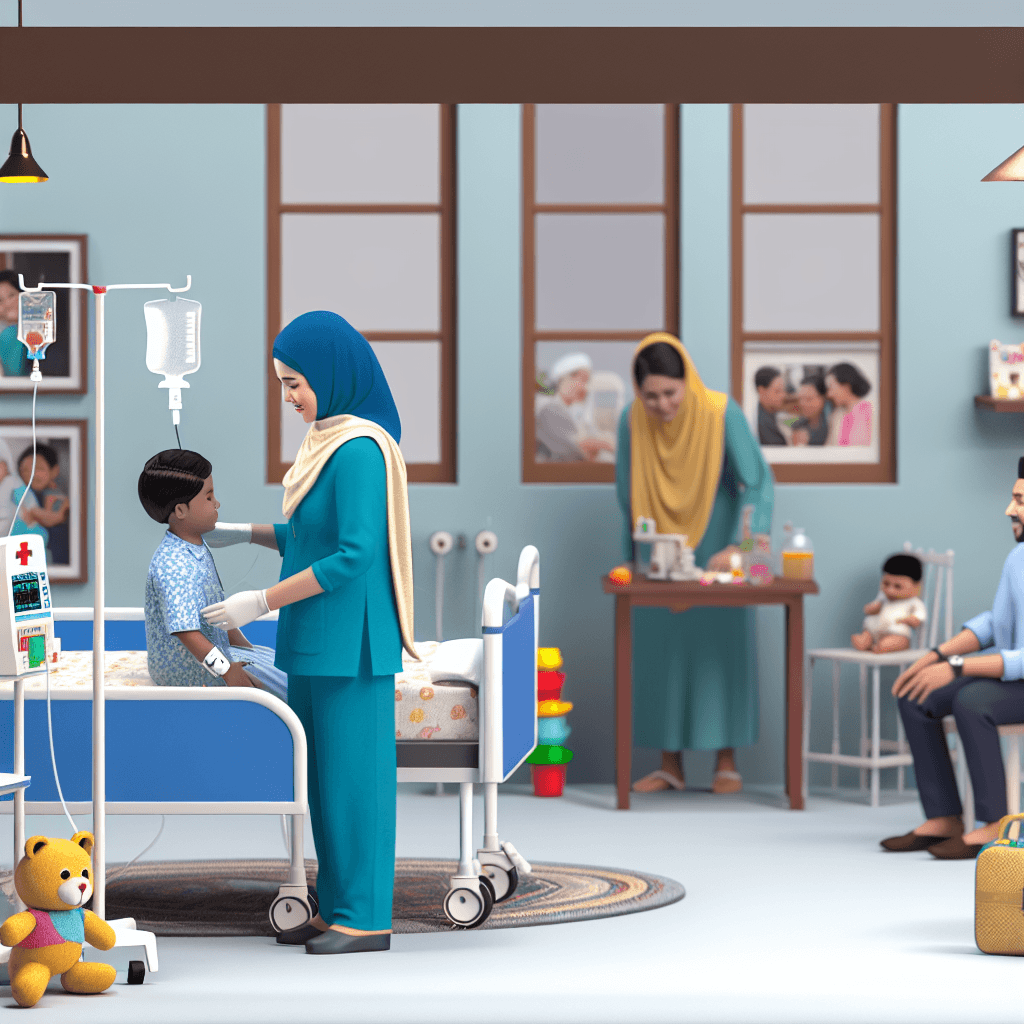
Table of Contents
- Pediatric Home Healthcare Services Market
- Overview of Pediatric Home Healthcare
- Market Drivers
- Services Offered in Pediatric Home Healthcare
- Challenges in the Market
- Case Studies and Examples
- Case Study 1: Managing Pediatric Diabetes at Home
- Case Study 2: Telehealth Integration in Pediatric Home Care
- Future Prospects
- Conclusion
Pediatric Home Healthcare Services Market

The pediatric home healthcare services market is a critical segment of the healthcare industry, providing essential medical and therapeutic services to children in the comfort of their homes. This market has seen significant growth due to various factors including technological advancements, increasing prevalence of chronic diseases among children, and a growing preference for at-home medical care. This article explores the dynamics of the pediatric home healthcare market, its driving forces, challenges, and future prospects.
Overview of Pediatric Home Healthcare
Pediatric home healthcare services are designed to provide comprehensive medical, nursing, therapeutic, and custodial care for children from infancy through adolescence. These services are particularly tailored to children with chronic illnesses, disabilities, or those recovering from major surgery, allowing them to receive quality care outside the traditional hospital setting.
Market Drivers
Several factors contribute to the growth of the pediatric home healthcare services market:
- Technological Advancements: Innovations in medical technologies, including remote monitoring systems and mobile health applications, have made it easier and more effective to treat children at home.
- Increasing Chronic Conditions: The rise in chronic health conditions among children, such as asthma, diabetes, and cystic fibrosis, drives demand for ongoing healthcare services that can be efficiently delivered at home.
- Economic Benefits: Home healthcare is often more cost-effective compared to in-hospital care, making it a preferred choice for health systems and insurance providers.
- Family Preference: Many families prefer home healthcare because it allows children to remain in a familiar environment, which can help reduce stress and promote faster recovery.
Services Offered in Pediatric Home Healthcare
The range of services offered by pediatric home healthcare providers is diverse and includes:
- Skilled Nursing Care: Includes medication management, pain control, wound care, and monitoring of vital signs.
- Therapeutic Services: Such as physical therapy, occupational therapy, and speech therapy.
- Respite Care: Temporary relief services for regular caregivers.
- Specialized Care: Care for children with specific conditions like ventilator care, tracheostomy care, and feeding tube management.
Challenges in the Market
Despite the growth, the pediatric home healthcare market faces several challenges:
- Regulatory Hurdles: Varying state regulations and compliance requirements can complicate service delivery and reimbursement.
- Shortage of Skilled Professionals: There is a significant demand for trained pediatric nurses and therapists, which can limit service availability.
- Reimbursement Issues: Navigating insurance reimbursements can be complex, particularly with varying coverage limits and pre-authorization requirements.
- Technological Barriers: While technology offers solutions, integrating advanced systems and ensuring data privacy pose ongoing challenges.
Case Studies and Examples
Real-world examples illustrate the impact and challenges of pediatric home healthcare:
Case Study 1: Managing Pediatric Diabetes at Home
A home healthcare agency implemented a comprehensive at-home care program for children with Type 1 diabetes. The program included regular visits by skilled nurses, diet education, and remote monitoring of blood sugar levels. This approach not only improved clinical outcomes but also enhanced the quality of life for both children and their families.
Case Study 2: Telehealth Integration in Pediatric Home Care
Another example involves a pediatric home healthcare provider that integrated telehealth services during the COVID-19 pandemic. This allowed for continuous therapy sessions and medical consultations through virtual platforms, ensuring uninterrupted care during lockdowns and reducing the risk of virus transmission.
Future Prospects
The future of pediatric home healthcare looks promising with several trends likely to influence its trajectory:
- Increased Adoption of Telehealth: Ongoing advancements in telehealth are expected to enhance service delivery and patient engagement.
- Expansion of Service Range: Providers are likely to expand their service offerings to include more specialized care options tailored to pediatric needs.
- Policy Enhancements: Anticipated improvements in healthcare policies and insurance coverage could make home healthcare accessible to more families.
Conclusion
The pediatric home healthcare services market plays an indispensable role in the modern healthcare ecosystem, offering vital services that benefit children with various health conditions. While the market faces challenges such as regulatory complexities and professional shortages, its growth is supported by technological advancements, economic benefits, and a strong preference for home-based care. With ongoing innovations and policy support, the future of pediatric home healthcare services looks robust, promising better care and improved outcomes for young patients across the globe.
In conclusion, as the market continues to evolve, it will likely offer new opportunities for healthcare providers, families, and policymakers to collaborate in creating a more accessible, efficient, and compassionate healthcare system for children.