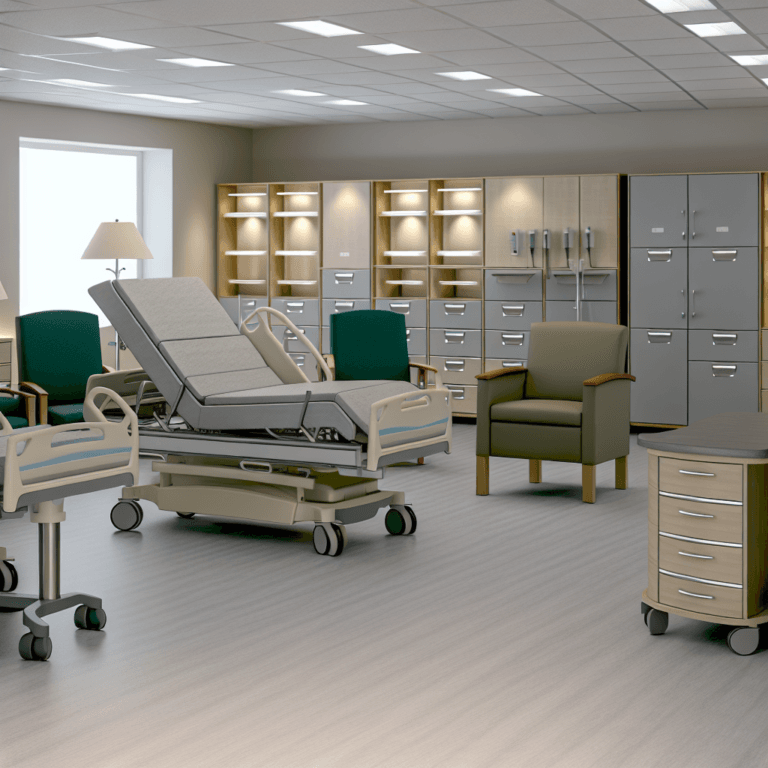
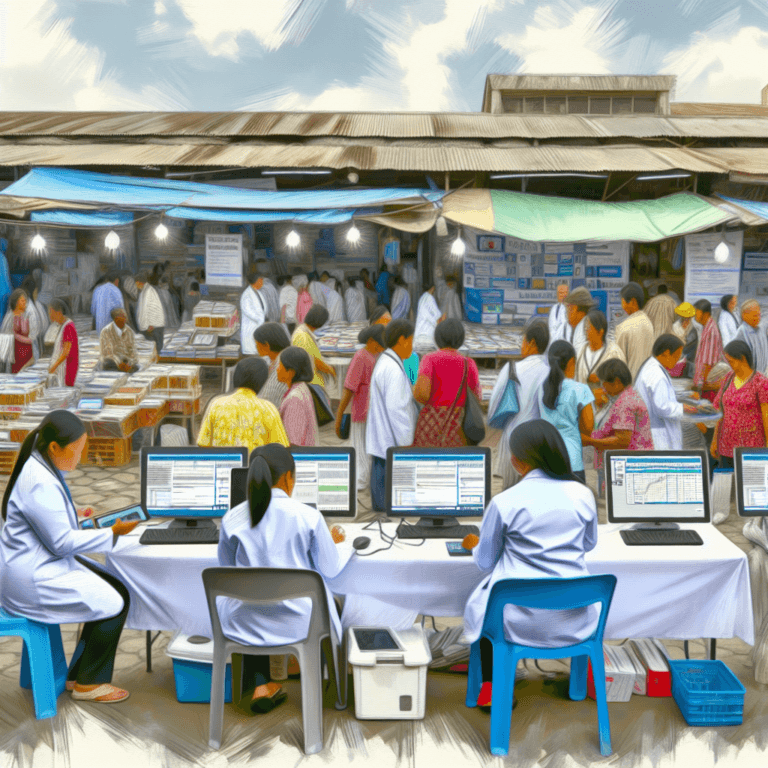
Discover the latest advancements in healthcare machinery and how they are revolutionizing the industry. Stay ahead of global trends with our guide.
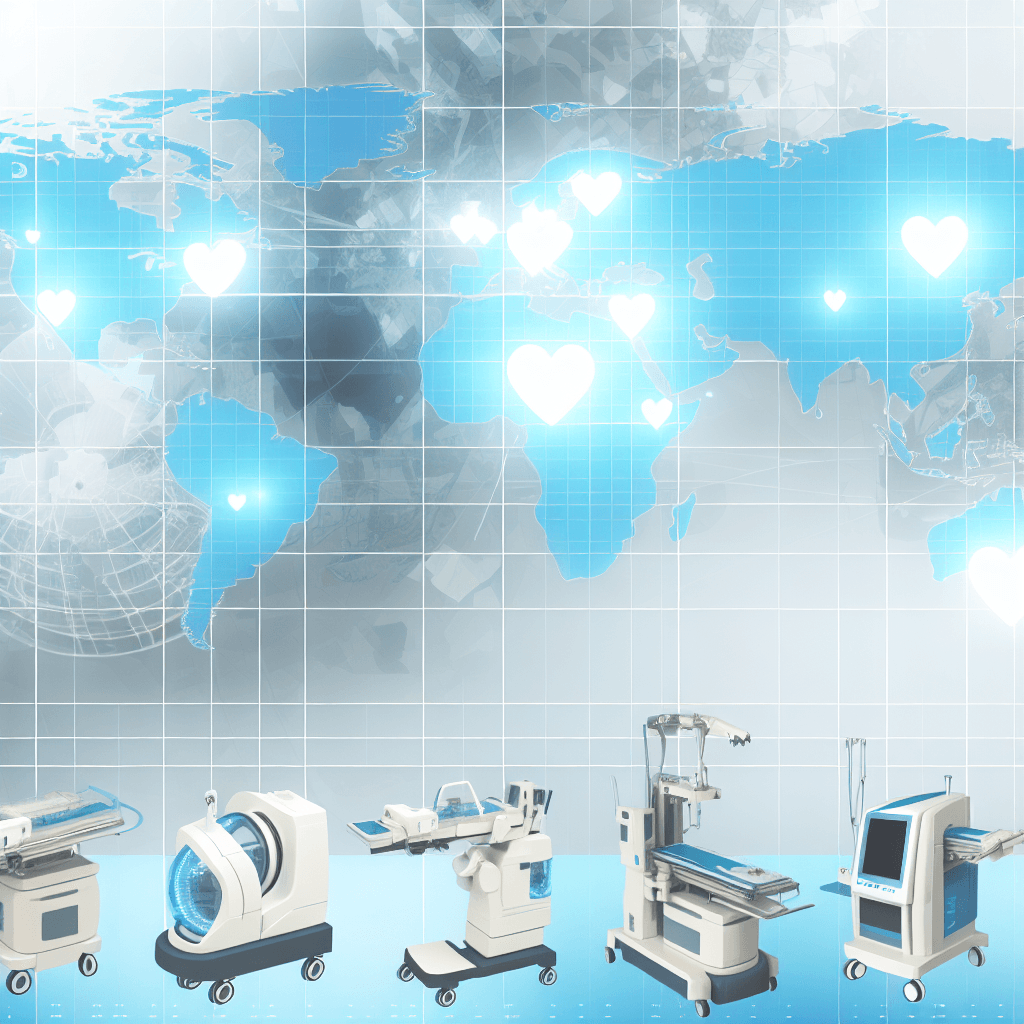
Table of Contents
“Revolutionizing healthcare through cutting-edge machinery and technology.”
Introduction
In recent years, there has been a significant increase in the use of advanced machinery in the healthcare industry. This trend, known as the Global Trends in Machinery for Advanced Healthcare Solutions, has revolutionized the way healthcare is delivered and has greatly improved patient outcomes. From robotic surgery to advanced imaging technology, these machines are playing a crucial role in providing efficient and effective healthcare solutions. In this introduction, we will explore the key drivers behind this trend and the impact it is having on the healthcare industry.
The Impact of Artificial Intelligence on Healthcare Machinery
The healthcare industry is constantly evolving, with new technologies and advancements being introduced every day. One of the most significant trends in recent years has been the integration of artificial intelligence (AI) into healthcare machinery. This has had a profound impact on the industry, revolutionizing the way healthcare is delivered and improving patient outcomes.
AI refers to the simulation of human intelligence in machines that are programmed to think and act like humans. In the healthcare sector, AI is being used to develop advanced machinery that can assist in diagnosis, treatment, and patient care. This technology has the potential to transform the way healthcare is delivered, making it more efficient, accurate, and personalized.
One of the key areas where AI has made a significant impact is in medical imaging. Traditional imaging techniques, such as X-rays and MRIs, rely on human interpretation, which can be subjective and prone to errors. With AI, machines can analyze medical images and identify abnormalities with a level of accuracy that surpasses human capabilities. This has led to faster and more accurate diagnoses, allowing for earlier detection and treatment of diseases.
In addition to diagnosis, AI is also being used to assist in surgical procedures. Robotic surgery, which involves the use of AI-powered machines, has become increasingly popular in recent years. These machines are equipped with advanced sensors and cameras that provide surgeons with a 3D view of the surgical site, allowing for more precise and minimally invasive procedures. This not only reduces the risk of complications but also leads to faster recovery times for patients.
Another area where AI is making a significant impact is in the development of personalized treatment plans. With the help of AI, healthcare providers can analyze vast amounts of patient data, including medical history, genetic information, and lifestyle factors, to develop tailored treatment plans for each individual. This not only improves patient outcomes but also reduces healthcare costs by avoiding unnecessary treatments and procedures.
AI is also being used to improve patient care and monitoring. With the development of wearable devices and sensors, patients can now be monitored remotely, providing healthcare providers with real-time data on their health status. This allows for early detection of any changes in a patient’s condition, enabling prompt intervention and preventing hospital readmissions.
The use of AI in healthcare machinery has also led to the development of virtual assistants and chatbots. These AI-powered tools can interact with patients, answer their questions, and provide them with information and guidance. This not only improves patient satisfaction but also reduces the burden on healthcare providers, allowing them to focus on more critical tasks.
However, with the integration of AI in healthcare machinery, there are also concerns about the potential impact on jobs in the industry. While it is true that some tasks may be automated, the use of AI is expected to create new job opportunities in areas such as data analysis, machine learning, and software development. Moreover, the use of AI can free up healthcare professionals’ time, allowing them to focus on more complex and critical tasks.
In conclusion, the integration of AI in healthcare machinery has had a profound impact on the industry, improving patient outcomes, and transforming the way healthcare is delivered. With continued advancements in this technology, we can expect to see even more innovative solutions that will revolutionize the healthcare industry and improve the lives of patients worldwide. It is essential for healthcare professionals to embrace these advancements and continue to work towards harnessing the full potential of AI in healthcare.
Advancements in Robotics for Surgical Procedures
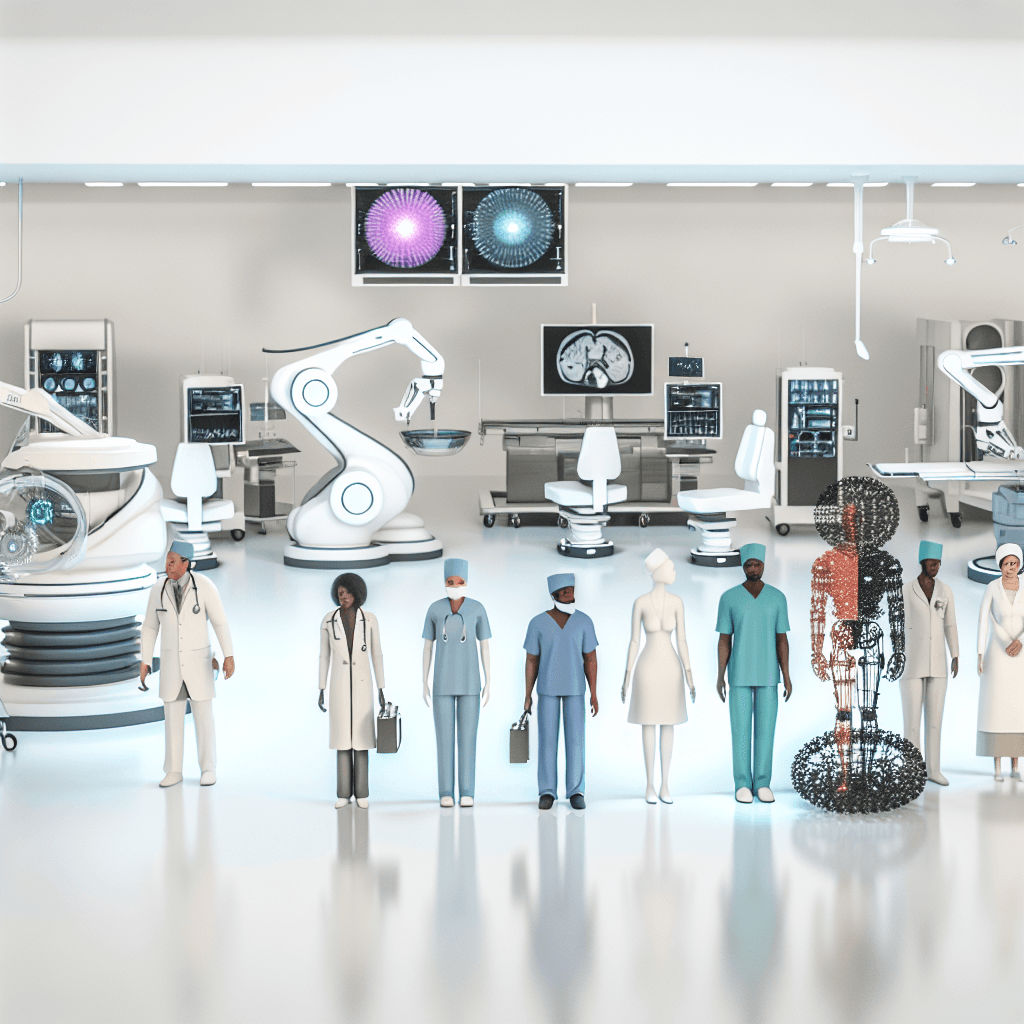
In recent years, there has been a significant increase in the use of robotics in the field of healthcare. This trend is driven by the need for more precise and minimally invasive surgical procedures, as well as the growing demand for advanced healthcare solutions in an aging population. As a result, the global market for surgical robots is expected to reach $13.1 billion by 2025, with a compound annual growth rate of 10.4%.
One of the key advancements in robotics for surgical procedures is the development of minimally invasive surgery (MIS). This approach involves the use of small incisions and specialized instruments, guided by a robotic system, to perform complex surgeries with greater precision and less trauma to the patient. This has led to reduced recovery times, shorter hospital stays, and improved outcomes for patients.
One of the pioneers in this field is Intuitive Surgical, the maker of the da Vinci Surgical System. This system has been used in over 6 million surgeries worldwide and is considered the gold standard in MIS. It consists of a surgeon console, patient-side cart, and vision cart, all connected by a high-speed network. The surgeon sits at the console and controls the instruments, which are inserted into the patient’s body through small incisions. The system provides 3D visualization and enhanced dexterity, allowing for more precise movements than traditional laparoscopic surgery.
Another major player in the market is Medtronic, which acquired Mazor Robotics in 2018. Mazor’s Renaissance Guidance System is used for spine surgeries and has been shown to reduce complications and improve outcomes. The system uses pre-operative planning and intra-operative guidance to assist the surgeon in placing implants with greater accuracy. This is especially important in complex spinal surgeries, where even a small error can have significant consequences.
In addition to MIS, robotics is also being used in other surgical specialties such as urology, gynecology, and cardiothoracic surgery. For example, the da Vinci system has been used in prostatectomies, hysterectomies, and mitral valve repair surgeries. The use of robotics in these procedures has been shown to reduce blood loss, post-operative pain, and scarring, leading to faster recovery times and improved patient satisfaction.
One of the key challenges in the adoption of surgical robots is the high cost of the systems. The da Vinci system, for example, can cost up to $2 million, not including annual maintenance fees. This has limited the use of robotics to larger hospitals and academic medical centers. However, with the increasing demand for advanced healthcare solutions, there has been a push for more affordable and accessible robotic systems.
This has led to the development of smaller and more cost-effective robots, such as the Versius Surgical System by CMR Surgical. This system is designed for use in a wide range of surgical procedures and is expected to be significantly cheaper than existing systems. It also has a modular design, allowing for easy transportation and set-up, making it suitable for use in smaller hospitals and ambulatory surgery centers.
Another trend in the field of surgical robotics is the integration of artificial intelligence (AI). AI has the potential to enhance the capabilities of surgical robots by providing real-time feedback and decision-making support to the surgeon. For example, AI algorithms can analyze data from the surgical site and alert the surgeon to potential complications or suggest alternative approaches. This can improve patient safety and reduce the risk of human error.
In conclusion, the use of robotics in surgical procedures is a rapidly growing trend in the field of healthcare. With advancements in technology and the increasing demand for advanced healthcare solutions, we can expect to see further developments in this field. As costs decrease and AI integration becomes more prevalent, surgical robots will become more accessible and will continue to revolutionize the way surgeries are performed, leading to better outcomes for patients.
The Rise of Telemedicine and Remote Patient Monitoring
In recent years, there has been a significant shift in the healthcare industry towards advanced machinery and technology. This trend is driven by the increasing demand for efficient and effective healthcare solutions, as well as the need to address the challenges posed by an aging population and rising healthcare costs. One of the most prominent developments in this field is the rise of telemedicine and remote patient monitoring.
Telemedicine, also known as telehealth, refers to the use of telecommunication and information technologies to provide clinical healthcare services from a distance. This includes video conferencing, remote monitoring, and electronic consultations. The concept of telemedicine has been around for decades, but recent advancements in technology have made it more accessible and widely adopted.
One of the main drivers of the rise of telemedicine is the increasing use of mobile devices and internet connectivity. With the widespread availability of smartphones and high-speed internet, patients can now access healthcare services from the comfort of their own homes. This has been particularly beneficial for patients living in remote or rural areas, where access to healthcare facilities may be limited.
Telemedicine has also been embraced by healthcare providers as a means to improve efficiency and reduce costs. By utilizing telemedicine, healthcare professionals can remotely monitor patients, provide consultations, and even perform certain procedures without the need for in-person visits. This not only saves time and resources but also reduces the risk of exposure to infectious diseases, which is especially crucial in times of pandemics such as the current COVID-19 crisis.
Another significant trend in advanced healthcare solutions is the rise of remote patient monitoring. This involves the use of medical devices and sensors to collect and transmit patient data to healthcare providers in real-time. This data can include vital signs, blood glucose levels, and other health metrics. Remote patient monitoring allows for continuous monitoring of patients, providing healthcare professionals with valuable insights into their health status and enabling early detection of potential issues.
The use of remote patient monitoring has been particularly beneficial for patients with chronic conditions such as diabetes, heart disease, and hypertension. By continuously monitoring their health, healthcare providers can intervene early and prevent complications, reducing the need for hospitalizations and emergency room visits. This not only improves patient outcomes but also reduces healthcare costs.
One of the key drivers of the rise of remote patient monitoring is the increasing availability of wearable devices and sensors. These devices can be easily integrated into patients’ daily lives, allowing for seamless data collection and transmission. Furthermore, advancements in data analytics and artificial intelligence have made it possible to analyze and interpret large amounts of patient data, providing healthcare professionals with valuable insights and improving the accuracy of diagnoses and treatment plans.
The rise of telemedicine and remote patient monitoring has also been accelerated by the COVID-19 pandemic. With the need for social distancing and minimizing in-person interactions, these technologies have become essential tools for providing healthcare services. The pandemic has also highlighted the importance of preparedness and resilience in the face of healthcare crises, further driving the adoption of advanced healthcare solutions.
In conclusion, the rise of telemedicine and remote patient monitoring is a significant trend in the global machinery for advanced healthcare solutions. These technologies have the potential to revolutionize the way healthcare is delivered, making it more accessible, efficient, and cost-effective. As technology continues to advance, we can expect to see further developments in this field, leading to improved patient outcomes and a more sustainable healthcare system.
Innovations in Medical Imaging Technology for Diagnosis and Treatment
In recent years, there has been a significant increase in the demand for advanced healthcare solutions, particularly in the field of medical imaging technology. This is due to the growing prevalence of chronic diseases and the need for accurate and timely diagnosis and treatment. As a result, there has been a surge in the development of innovative machinery and equipment to cater to these needs. In this article, we will explore the global trends in machinery for advanced healthcare solutions, with a focus on the latest innovations in medical imaging technology.
One of the most significant trends in medical imaging technology is the shift towards non-invasive and minimally invasive procedures. This has been driven by the need to reduce patient discomfort and recovery time, as well as the rising concerns over radiation exposure. As a result, there has been a rise in the use of ultrasound, magnetic resonance imaging (MRI), and computed tomography (CT) scans, which offer high-resolution images without the use of ionizing radiation.
Another trend in medical imaging technology is the integration of artificial intelligence (AI) and machine learning (ML) algorithms. These technologies have the potential to revolutionize the field of medical imaging by improving the accuracy and efficiency of diagnosis. AI and ML algorithms can analyze large amounts of data and assist in the detection of abnormalities that may be missed by human interpretation. This has led to the development of computer-aided diagnosis (CAD) systems, which are being increasingly used in medical imaging.
In addition to non-invasive procedures and AI integration, there has been a growing demand for portable and handheld medical imaging devices. These devices offer the convenience of on-site imaging, reducing the need for patients to travel to a hospital or imaging center. They are particularly useful in remote or underdeveloped areas where access to medical facilities may be limited. Portable ultrasound machines, for example, have become increasingly popular in emergency and critical care settings, allowing for quick and accurate diagnosis.
Furthermore, there has been a significant focus on the development of 3D and 4D imaging technology. These advanced imaging techniques provide a more comprehensive view of the patient’s anatomy and allow for better visualization of complex structures. 3D and 4D imaging are particularly useful in surgical planning and guidance, as well as in the diagnosis of certain conditions such as cardiovascular diseases and cancer.
Another trend in medical imaging technology is the use of hybrid imaging systems. These systems combine two or more imaging modalities, such as PET-CT or SPECT-CT, to provide a more comprehensive and accurate diagnosis. Hybrid imaging has been particularly beneficial in the field of oncology, where it allows for the detection and monitoring of tumors with greater precision.
Moreover, there has been a growing focus on the development of imaging technology for personalized medicine. This involves tailoring medical treatment to an individual’s specific genetic makeup, lifestyle, and environment. Medical imaging plays a crucial role in this approach by providing detailed information about a patient’s anatomy and physiology. For instance, molecular imaging techniques, such as positron emission tomography (PET), can be used to track the progression of diseases at a molecular level and assess the effectiveness of targeted therapies.
In conclusion, the global trends in machinery for advanced healthcare solutions are constantly evolving, with a strong emphasis on non-invasive procedures, AI integration, portability, 3D and 4D imaging, hybrid systems, and personalized medicine. These innovations have not only improved the accuracy and efficiency of diagnosis and treatment but also enhanced patient comfort and accessibility. As technology continues to advance, we can expect to see even more groundbreaking developments in medical imaging technology, further revolutionizing the field of healthcare.
Q&A
1. What are some current global trends in machinery for advanced healthcare solutions?
Some current global trends in machinery for advanced healthcare solutions include the use of artificial intelligence and machine learning in medical devices, the development of wearable technology for remote patient monitoring, the integration of robotics in surgical procedures, and the use of 3D printing for personalized medical devices and implants. Additionally, there is a growing focus on data analytics and telemedicine to improve healthcare delivery and patient outcomes.
2. How is artificial intelligence being used in medical devices?
Artificial intelligence is being used in medical devices to improve accuracy and efficiency in diagnosis, treatment, and monitoring of patients. This includes using AI algorithms to analyze medical images, predict disease progression, and assist in surgical procedures. AI is also being used in medical devices to automate routine tasks, freeing up healthcare professionals to focus on more complex cases.
3. What are some examples of wearable technology for remote patient monitoring?
Some examples of wearable technology for remote patient monitoring include smartwatches, fitness trackers, and biosensors. These devices can track vital signs, activity levels, and sleep patterns, providing valuable data for healthcare professionals to monitor and manage chronic conditions remotely. They can also alert patients and healthcare providers of any abnormalities or changes in health status.
4. How is 3D printing being used in advanced healthcare solutions?
3D printing is being used in advanced healthcare solutions to create personalized medical devices and implants. This technology allows for the production of complex and customized designs that are tailored to a patient’s specific anatomy. This can improve the fit and function of medical devices, leading to better patient outcomes. 3D printing is also being used to create models for surgical planning and training, as well as for the production of drug delivery systems and tissue engineering.
Conclusion
In conclusion, the global trend in machinery for advanced healthcare solutions is rapidly evolving and expanding. With the increasing demand for more efficient and effective healthcare services, there is a growing need for advanced machinery and technology in the healthcare industry. This trend is driven by factors such as the aging population, rising prevalence of chronic diseases, and the need for precision and accuracy in medical procedures. The development of innovative and sophisticated machinery, such as robotic surgery systems, advanced imaging technology, and telemedicine, is revolutionizing the way healthcare is delivered. As technology continues to advance, we can expect to see even more advanced machinery and solutions being developed to improve patient outcomes and enhance the overall healthcare experience.