Discover how research-driven improvements are transforming primary healthcare services, leading to better patient outcomes and more efficient care.

Table of Contents
- Introduction
- The Impact of Data-Driven Decision Making on Primary Healthcare Services
- Utilizing Research to Enhance Patient Outcomes in Primary Care
- Innovative Technologies and Their Role in Improving Primary Healthcare Services
- Collaborating with Researchers to Drive Continuous Improvement in Primary Care Delivery
- Q&A
- Conclusion
“Empowering communities, one evidence-based improvement at a time.”
Introduction
Primary healthcare services are essential for promoting and maintaining the health and well-being of individuals and communities. In recent years, there has been a growing emphasis on research-driven improvements in primary healthcare services. This approach involves using evidence-based research to inform and guide the development and implementation of healthcare policies and practices. By incorporating research findings into primary healthcare services, we can ensure that they are effective, efficient, and responsive to the needs of the population. In this introduction, we will explore the importance of research-driven improvements in primary healthcare services and the benefits they bring to individuals and communities.
The Impact of Data-Driven Decision Making on Primary Healthcare Services
In today’s fast-paced and ever-changing healthcare landscape, data-driven decision making has become an essential tool for improving primary healthcare services. With the increasing availability of technology and the vast amount of data being collected, healthcare providers now have the opportunity to use research-driven insights to make informed decisions that can positively impact patient outcomes and overall healthcare delivery.
One of the key benefits of data-driven decision making in primary healthcare services is the ability to identify and address gaps in care. By analyzing data on patient demographics, health conditions, and utilization patterns, healthcare providers can pinpoint areas where there may be a lack of access to care or disparities in health outcomes. This information can then be used to develop targeted interventions and programs to improve the quality of care for underserved populations.
Moreover, data-driven decision making can also help healthcare providers identify areas for improvement within their own practices. By tracking and analyzing data on patient satisfaction, wait times, and appointment scheduling, providers can identify bottlenecks and inefficiencies in their processes and make necessary changes to improve the overall patient experience. This not only leads to better patient outcomes but also increases patient satisfaction and loyalty.
In addition to improving patient care, data-driven decision making can also have a significant impact on cost savings. By analyzing data on healthcare utilization and costs, providers can identify high-cost areas and develop strategies to reduce unnecessary spending. This can include implementing preventive care measures, reducing hospital readmissions, and promoting cost-effective treatments. As a result, healthcare organizations can save money while still providing high-quality care to their patients.
Another important aspect of data-driven decision making in primary healthcare services is its role in disease prevention and management. By analyzing data on population health trends and risk factors, healthcare providers can identify at-risk populations and develop targeted interventions to prevent the onset of chronic diseases. This can include implementing health education programs, promoting healthy lifestyle choices, and providing early screenings and interventions. By taking a proactive approach to healthcare, providers can not only improve patient outcomes but also reduce the burden on the healthcare system.
Furthermore, data-driven decision making can also play a crucial role in disaster preparedness and response. By analyzing data on population demographics, health conditions, and healthcare utilization, providers can identify vulnerable populations and develop emergency response plans to ensure their safety and well-being during a crisis. This can include setting up temporary clinics, providing necessary medications and supplies, and coordinating with other healthcare organizations to ensure a coordinated response.
However, for data-driven decision making to be effective, it is essential to have a robust and reliable data infrastructure in place. This includes having secure systems for data collection, storage, and analysis, as well as trained staff who can interpret and use the data effectively. It is also crucial to have proper protocols in place to protect patient privacy and confidentiality.
In conclusion, data-driven decision making has become an integral part of improving primary healthcare services. By using research-driven insights, healthcare providers can identify gaps in care, improve patient outcomes, reduce costs, and promote disease prevention and management. However, it is essential to have a strong data infrastructure and protocols in place to ensure the effective use of data for decision making. With the continued advancements in technology and data collection, the potential for data-driven improvements in primary healthcare services is limitless.
Utilizing Research to Enhance Patient Outcomes in Primary Care
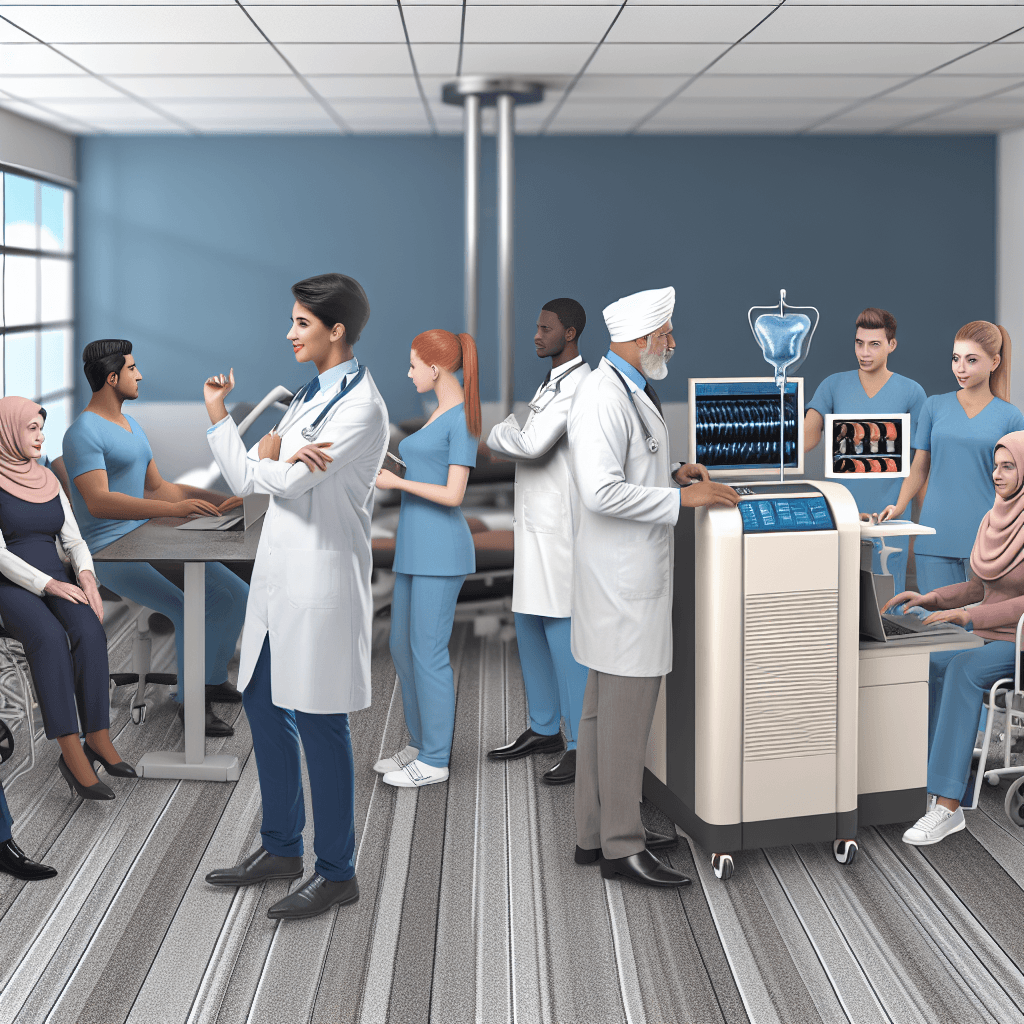
Primary healthcare services play a crucial role in promoting and maintaining the health of individuals and communities. As the first point of contact for patients, primary care providers are responsible for diagnosing and treating a wide range of health conditions, as well as providing preventive care and health education. With the increasing demand for quality healthcare services, it is essential for primary care providers to continuously improve and enhance their services. This is where research comes in.
Research has always been a vital component in the healthcare industry, and its importance in primary care cannot be overstated. By utilizing research, primary care providers can make evidence-based decisions that lead to better patient outcomes. In this article, we will explore how research can be used to drive improvements in primary healthcare services.
One of the key ways in which research can enhance patient outcomes in primary care is by improving the accuracy of diagnoses. With the help of research, primary care providers can stay up-to-date with the latest diagnostic tools and techniques. This allows them to accurately identify and diagnose health conditions, leading to timely and appropriate treatment. For instance, a study published in the Journal of the American Medical Association found that primary care providers who used evidence-based guidelines for diagnosing diabetes were able to identify more cases of the disease compared to those who did not use these guidelines.
In addition to improving diagnoses, research can also help in the development of effective treatment plans. By staying informed about the latest research findings, primary care providers can choose the most appropriate treatment options for their patients. This not only leads to better patient outcomes but also helps in reducing healthcare costs. For example, a study published in the Journal of the American Board of Family Medicine found that primary care providers who used evidence-based guidelines for treating hypertension were able to achieve better blood pressure control in their patients compared to those who did not use these guidelines.
Moreover, research can also aid in the prevention of diseases and health conditions. By identifying risk factors and implementing preventive measures, primary care providers can help their patients avoid developing certain health conditions. For instance, a study published in the Journal of the American Medical Association found that primary care providers who used evidence-based guidelines for screening and counseling their patients on tobacco use were able to significantly reduce the number of smokers in their patient population.
Another way in which research can drive improvements in primary healthcare services is by promoting patient-centered care. By conducting research on patient preferences and needs, primary care providers can tailor their services to better meet the needs of their patients. This can lead to increased patient satisfaction and better health outcomes. For example, a study published in the Journal of General Internal Medicine found that primary care providers who used patient-centered communication techniques were able to improve patient satisfaction and trust in their care.
Furthermore, research can also help in addressing healthcare disparities and promoting health equity. By identifying and understanding the social determinants of health, primary care providers can develop interventions that target the root causes of health disparities. This can lead to improved health outcomes for marginalized and underserved populations. For instance, a study published in the Journal of Health Care for the Poor and Underserved found that primary care providers who used a community-based approach to address social determinants of health were able to improve health outcomes for their patients from low-income and minority communities.
In conclusion, research plays a crucial role in driving improvements in primary healthcare services. By utilizing research, primary care providers can make evidence-based decisions that lead to better diagnoses, treatment plans, disease prevention, patient-centered care, and health equity. As the demand for quality healthcare services continues to grow, it is essential for primary care providers to embrace research and use it to continuously improve and enhance their services for the benefit of their patients.
Innovative Technologies and Their Role in Improving Primary Healthcare Services
In today’s fast-paced world, technology has become an integral part of our daily lives. From smartphones to smart homes, technology has revolutionized the way we live, work, and communicate. The healthcare industry is no exception to this trend, with innovative technologies being developed and implemented to improve the quality and efficiency of healthcare services. In particular, primary healthcare services have seen significant improvements through the use of research-driven technologies.
One of the key areas where technology has made a significant impact is in the management of patient data. With the advent of electronic health records (EHRs), healthcare providers now have access to a patient’s complete medical history at their fingertips. This has not only improved the accuracy and accessibility of patient information but has also streamlined the process of sharing information between healthcare providers. This is especially beneficial in primary healthcare settings where patients may see multiple providers for different health concerns.
Another area where technology has played a crucial role is in telemedicine. Telemedicine refers to the use of technology to provide healthcare services remotely. This has been particularly useful in primary healthcare services, where patients in remote or underserved areas may not have easy access to healthcare facilities. Through telemedicine, patients can consult with healthcare providers via video conferencing, receive remote monitoring for chronic conditions, and even receive prescriptions without having to physically visit a healthcare facility. This has not only improved access to healthcare for patients but has also reduced the burden on primary healthcare providers.
In addition to improving access to healthcare, technology has also played a significant role in improving the quality of care provided in primary healthcare settings. For instance, the use of artificial intelligence (AI) has enabled healthcare providers to analyze large amounts of data and identify patterns that may not be apparent to the human eye. This has helped in the early detection and diagnosis of diseases, leading to better treatment outcomes. AI has also been used to develop personalized treatment plans for patients based on their medical history, genetic makeup, and lifestyle factors. This has not only improved the effectiveness of treatment but has also reduced the risk of adverse reactions to medications.
Furthermore, technology has also improved communication and collaboration among healthcare providers, which is crucial in primary healthcare settings. With the use of secure messaging platforms and virtual meeting tools, healthcare providers can easily communicate and consult with each other, regardless of their physical location. This has not only improved the coordination of care but has also reduced the likelihood of medical errors.
Apart from these advancements, technology has also played a significant role in patient education and engagement. With the use of mobile health applications, patients can now access information about their health, track their progress, and receive reminders for appointments and medications. This has empowered patients to take an active role in managing their health, leading to better health outcomes.
In conclusion, research-driven technologies have brought about significant improvements in primary healthcare services. From the management of patient data to the use of AI in diagnosis and treatment, technology has revolutionized the way primary healthcare is delivered. With the continued advancements in technology, we can expect to see further improvements in the quality, accessibility, and efficiency of primary healthcare services. As healthcare providers, it is crucial to stay updated on these advancements and embrace them to provide the best possible care to our patients.
Collaborating with Researchers to Drive Continuous Improvement in Primary Care Delivery
Primary healthcare services are the first point of contact for individuals seeking medical care. It is a crucial aspect of the healthcare system as it focuses on promoting health, preventing diseases, and managing chronic conditions. As the demand for primary healthcare services continues to increase, it is essential to continuously improve and enhance the delivery of these services. One way to achieve this is through collaboration with researchers to drive research-driven improvements in primary care delivery.
Research plays a vital role in identifying gaps and areas for improvement in primary healthcare services. By collaborating with researchers, healthcare providers can gain valuable insights and data to inform their decision-making processes. This partnership between researchers and healthcare providers can lead to evidence-based improvements in primary care delivery, ultimately benefiting patients and the healthcare system as a whole.
One of the key benefits of collaborating with researchers is the ability to identify and address gaps in primary healthcare services. Researchers have the expertise and resources to conduct in-depth studies and analyze data to identify areas for improvement. For example, a study conducted by researchers at the University of California, San Francisco, found that there was a lack of mental health services in primary care settings. This research prompted healthcare providers to implement mental health screening and referral programs in their practices, leading to improved access to mental health services for patients.
Moreover, collaborating with researchers can also help healthcare providers stay up-to-date with the latest advancements and best practices in primary care delivery. Researchers are constantly conducting studies and publishing their findings, which can be used to inform and improve healthcare practices. By staying informed and incorporating evidence-based practices, healthcare providers can ensure that they are providing the best possible care to their patients.
In addition to identifying gaps and staying up-to-date, collaborating with researchers can also lead to the development of new and innovative approaches to primary care delivery. Researchers are constantly exploring new methods and technologies that can improve healthcare services. By working together, healthcare providers and researchers can test and implement these new approaches in real-world settings, leading to continuous improvement in primary care delivery.
Furthermore, collaboration with researchers can also help healthcare providers evaluate the effectiveness of their current practices. By conducting research studies and collecting data, researchers can provide valuable feedback on the impact of current practices on patient outcomes. This feedback can help healthcare providers identify areas for improvement and make necessary changes to enhance the quality of care they provide.
Another benefit of collaborating with researchers is the potential for cost savings. By identifying and addressing gaps in primary healthcare services, healthcare providers can reduce unnecessary costs and improve the efficiency of their practices. For example, a study conducted by researchers at the University of Michigan found that implementing a team-based care approach in primary care settings led to a 10% reduction in healthcare costs. This cost savings can be reinvested in other areas of primary care delivery, leading to further improvements.
In conclusion, collaborating with researchers is crucial for driving continuous improvement in primary care delivery. By working together, healthcare providers and researchers can identify gaps, stay up-to-date with best practices, develop innovative approaches, evaluate current practices, and potentially save costs. This partnership between researchers and healthcare providers can lead to evidence-based improvements in primary care delivery, ultimately benefiting patients and the healthcare system as a whole. As the demand for primary healthcare services continues to increase, it is essential to prioritize research-driven improvements to ensure the delivery of high-quality care to all individuals.
Q&A
1. What are some examples of research-driven improvements in primary healthcare services?
Some examples of research-driven improvements in primary healthcare services include the implementation of electronic health records, the use of telemedicine for remote consultations, and the development of evidence-based treatment guidelines for common health conditions. Other improvements may include the integration of mental health services into primary care, the use of patient satisfaction surveys to improve quality of care, and the adoption of team-based care models to better address the diverse needs of patients.
2. How does research play a role in improving primary healthcare services?
Research plays a crucial role in improving primary healthcare services by providing evidence-based solutions and best practices for healthcare providers. Through research, healthcare professionals can identify gaps in care, evaluate the effectiveness of current treatments, and develop new and innovative approaches to address health issues. Research also helps to inform policy decisions and guide the allocation of resources to improve the overall quality and accessibility of primary healthcare services.
3. What are some challenges in implementing research-driven improvements in primary healthcare services?
Some challenges in implementing research-driven improvements in primary healthcare services include limited funding for research, resistance to change from healthcare providers, and the time and resources required to implement new practices. Additionally, there may be challenges in translating research findings into practical applications and ensuring that all healthcare providers are aware of and trained in the latest evidence-based practices.
4. How can research-driven improvements in primary healthcare services benefit patients?
Research-driven improvements in primary healthcare services can benefit patients in several ways. These improvements can lead to more accurate diagnoses, more effective treatments, and better overall health outcomes. They can also improve access to care, reduce wait times, and increase patient satisfaction. Additionally, research-driven improvements can help to identify and address health disparities and promote health equity for all patients.
Conclusion
In conclusion, research-driven improvements in primary healthcare services have greatly enhanced the quality and accessibility of healthcare for individuals and communities. Through evidence-based practices and advancements in technology, primary healthcare providers are able to deliver more effective and efficient care to their patients. This has led to improved health outcomes, reduced healthcare costs, and increased patient satisfaction. However, continuous research and innovation are necessary to address the evolving healthcare needs of the population and ensure that primary healthcare services continue to meet the highest standards of care. By prioritizing research and incorporating its findings into practice, primary healthcare services can continue to evolve and improve, ultimately benefiting the overall health and well-being of individuals and communities.