Discover the future of integrated healthcare services globally and how it will revolutionize the way we approach healthcare. Stay ahead of the curve.

Table of Contents
- Introduction
- The Impact of Technology on Integrated Healthcare Services
- The Role of Data and Analytics in Improving Integrated Healthcare Services
- Collaboration and Integration: Key Factors for the Future of Healthcare Services
- Addressing Challenges and Opportunities in Implementing Integrated Healthcare Services Worldwide
- Q&A
- Conclusion
“Empowering individuals, connecting communities, and revolutionizing healthcare – welcome to the future of integrated services.”
Introduction
The future of integrated healthcare services globally is a topic that is gaining increasing attention and importance in the healthcare industry. With advancements in technology and a growing emphasis on patient-centered care, the integration of various healthcare services is becoming a key focus for healthcare providers around the world. This integration aims to improve the overall quality and efficiency of healthcare delivery, as well as enhance patient outcomes and experiences. In this rapidly evolving landscape, it is crucial for healthcare organizations to understand the potential benefits and challenges of integrated healthcare services and adapt to the changing needs of patients and the healthcare system.
The Impact of Technology on Integrated Healthcare Services
The healthcare industry is constantly evolving, and one of the major factors driving this change is technology. With the rapid advancements in technology, the way healthcare services are delivered and managed is also changing. One of the most significant changes is the integration of healthcare services, which has the potential to revolutionize the way healthcare is provided globally.
Integrated healthcare services refer to the coordination and collaboration of various healthcare providers and organizations to deliver comprehensive and seamless care to patients. This approach aims to improve the quality of care, reduce costs, and enhance patient outcomes. With the help of technology, integrated healthcare services are becoming more accessible and efficient, making it the future of healthcare.
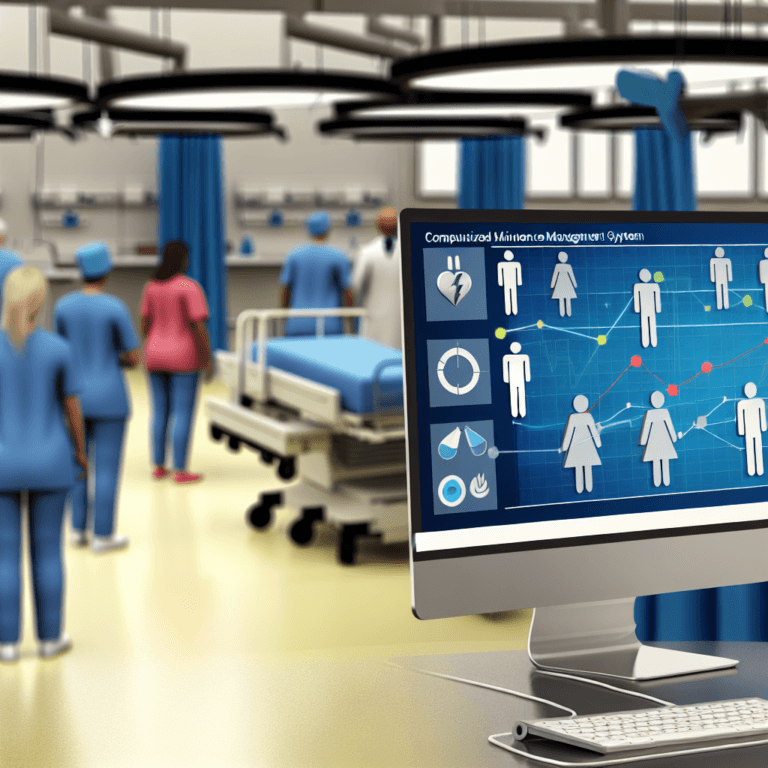
One of the key impacts of technology on integrated healthcare services is the use of electronic health records (EHRs). EHRs are digital versions of a patient’s medical history, which can be accessed and shared by different healthcare providers. This eliminates the need for patients to carry physical copies of their medical records and allows for better coordination between different healthcare providers. EHRs also enable real-time communication between healthcare providers, ensuring that all members of the care team are on the same page when it comes to a patient’s treatment plan.
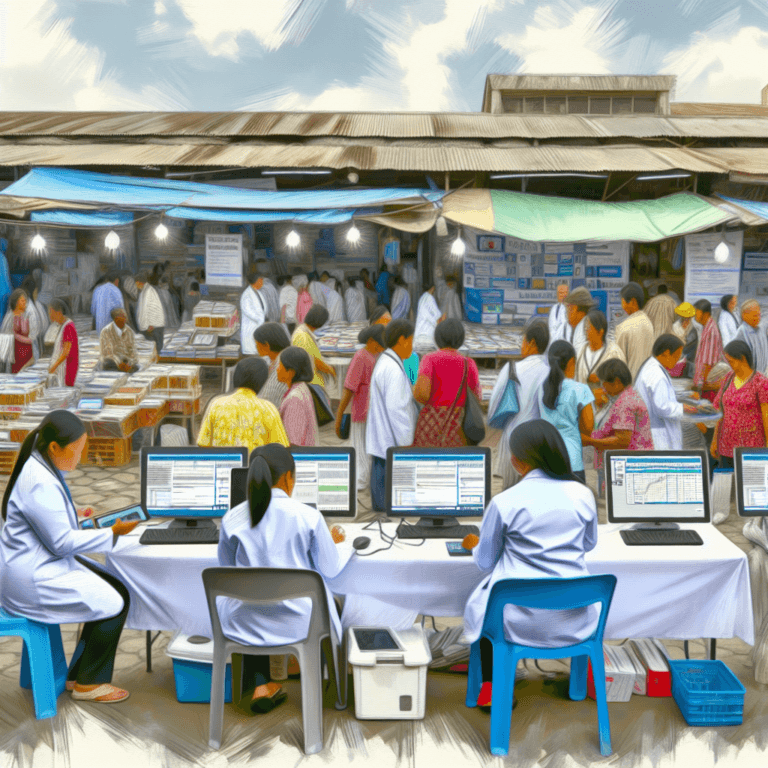
Another significant impact of technology on integrated healthcare services is the use of telemedicine. Telemedicine refers to the use of technology, such as video conferencing and remote monitoring, to provide healthcare services to patients who are not physically present in a healthcare facility. This has been particularly beneficial in rural and underserved areas, where access to healthcare services is limited. With telemedicine, patients can consult with specialists and receive care without having to travel long distances, saving time and money.
The use of mobile health (mHealth) applications is also transforming integrated healthcare services. These apps allow patients to track their health, monitor chronic conditions, and communicate with their healthcare providers. This not only empowers patients to take control of their health but also enables healthcare providers to monitor their patients’ health remotely. mHealth apps also have the potential to improve medication adherence, as patients can receive reminders and alerts for their medications.
Artificial intelligence (AI) is another technology that is making a significant impact on integrated healthcare services. AI-powered systems can analyze vast amounts of data and provide insights that can help healthcare providers make more informed decisions. This can be particularly useful in diagnosing and treating complex medical conditions. AI can also assist in predicting and preventing potential health issues, allowing for early intervention and better health outcomes.
The use of technology in integrated healthcare services is not limited to patient care. It also plays a crucial role in the management and administration of healthcare services. For instance, healthcare organizations can use data analytics to identify areas for improvement and optimize their operations. This can lead to cost savings and better resource allocation, ultimately benefiting patients.
However, with the integration of technology in healthcare services, there are also concerns about data privacy and security. As more patient data is stored and shared electronically, there is a risk of data breaches and unauthorized access. Healthcare organizations must ensure that they have robust security measures in place to protect patient information.
In conclusion, technology is transforming the way healthcare services are delivered and managed, and integrated healthcare services are at the forefront of this change. With the use of EHRs, telemedicine, mHealth apps, AI, and data analytics, integrated healthcare services are becoming more accessible, efficient, and patient-centered. As technology continues to advance, the future of integrated healthcare services looks promising, with the potential to improve patient outcomes and revolutionize the healthcare industry globally.
The Role of Data and Analytics in Improving Integrated Healthcare Services

Integrated healthcare services have become increasingly important in the global healthcare landscape. With the rise of chronic diseases and an aging population, there is a growing need for a coordinated and comprehensive approach to healthcare delivery. This has led to the development of integrated healthcare services, which aim to provide seamless and coordinated care to patients across different healthcare settings.
One of the key factors driving the success of integrated healthcare services is the use of data and analytics. In today’s digital age, healthcare organizations have access to vast amounts of data, ranging from patient health records to clinical outcomes. By harnessing the power of data and analytics, healthcare providers can gain valuable insights into patient populations, identify gaps in care, and make informed decisions to improve the quality of care.
Data and analytics play a crucial role in the development and implementation of integrated healthcare services. By analyzing data from various sources, healthcare organizations can identify patterns and trends in patient populations, which can help them tailor their services to meet the specific needs of their patients. For example, by analyzing data on patient demographics, healthcare providers can identify high-risk populations and develop targeted interventions to improve their health outcomes.
Moreover, data and analytics can also help healthcare organizations track and monitor the performance of their integrated healthcare services. By measuring key performance indicators such as patient satisfaction, readmission rates, and cost of care, healthcare providers can identify areas for improvement and make necessary adjustments to their services. This not only helps in improving the quality of care but also ensures the efficient use of resources.
In addition to improving patient care, data and analytics also play a crucial role in the financial sustainability of integrated healthcare services. By analyzing data on healthcare utilization and costs, healthcare organizations can identify opportunities for cost savings and optimize their resource allocation. This is particularly important in the current healthcare landscape, where there is a growing emphasis on value-based care and cost containment.
Furthermore, data and analytics can also facilitate collaboration and communication among different healthcare providers involved in integrated healthcare services. By sharing data and insights, healthcare organizations can work together to develop care plans that are tailored to the needs of individual patients. This not only improves the quality of care but also reduces duplication of services and improves the overall efficiency of healthcare delivery.
However, the use of data and analytics in integrated healthcare services also presents some challenges. One of the main challenges is the interoperability of data systems. With different healthcare providers using different electronic health record systems, it can be challenging to share and integrate data seamlessly. This can hinder the ability to gain a comprehensive view of patient health and limit the effectiveness of integrated healthcare services.
Moreover, there are also concerns about data privacy and security. With the increasing use of electronic health records and the sharing of sensitive patient information, healthcare organizations must ensure that proper measures are in place to protect patient data from cyber threats. This requires a robust data governance framework and strict adherence to data privacy regulations.
In conclusion, data and analytics play a crucial role in improving integrated healthcare services globally. By harnessing the power of data, healthcare organizations can gain valuable insights into patient populations, track and monitor the performance of their services, and facilitate collaboration among different healthcare providers. However, to fully realize the potential of data and analytics in integrated healthcare services, healthcare organizations must address challenges such as data interoperability and data privacy. With the right strategies and tools in place, data and analytics can pave the way for a more efficient, effective, and patient-centered approach to healthcare delivery.
Collaboration and Integration: Key Factors for the Future of Healthcare Services
The healthcare industry is constantly evolving, and one of the key factors driving this change is the increasing focus on collaboration and integration. In today’s globalized world, healthcare services are no longer limited to a single country or region. Patients are seeking the best possible care, regardless of geographical boundaries. This has led to a growing need for integrated healthcare services that can provide seamless and coordinated care to patients across the globe.
Collaboration and integration in healthcare refer to the coordination and cooperation between different healthcare providers, organizations, and systems to deliver comprehensive and patient-centered care. This approach involves breaking down the traditional silos and bringing together various stakeholders in the healthcare ecosystem to work towards a common goal – improving patient outcomes.
One of the main drivers of the push towards collaboration and integration in healthcare is the rising cost of healthcare services. With the increasing prevalence of chronic diseases and an aging population, healthcare costs are skyrocketing. This has put pressure on healthcare systems to find more efficient and cost-effective ways of delivering care. Collaboration and integration can help achieve this by reducing duplication of services, improving care coordination, and streamlining processes.
Another factor contributing to the need for integrated healthcare services is the growing demand for personalized and patient-centered care. Patients today are more informed and empowered, and they expect a higher level of involvement in their healthcare decisions. This requires a collaborative approach where patients are actively involved in their care, and healthcare providers work together to develop personalized treatment plans that meet the unique needs of each patient.
The future of integrated healthcare services globally lies in the adoption of technology and data-driven solutions. With the advancements in technology, healthcare providers can now share patient information and collaborate in real-time, regardless of their location. This has opened up new possibilities for delivering integrated care, such as telemedicine, remote patient monitoring, and virtual consultations. These technologies not only improve access to care but also enable healthcare providers to work together seamlessly, leading to better patient outcomes.
In addition to technology, the success of integrated healthcare services also depends on the willingness of different stakeholders to collaborate and share information. This requires a shift in mindset and a culture of cooperation and teamwork. Healthcare organizations need to break down the barriers between different departments and specialties and foster a collaborative environment where all members of the healthcare team work together towards a common goal.
Governments and policymakers also play a crucial role in promoting collaboration and integration in healthcare. They need to create policies and regulations that support the sharing of patient information and incentivize healthcare providers to work together. This will require a coordinated effort between different countries to develop a global framework for integrated healthcare services.
The benefits of collaboration and integration in healthcare are not limited to cost savings and improved patient outcomes. It also has a positive impact on healthcare professionals. By working together, healthcare providers can share their knowledge and expertise, leading to continuous learning and professional development. This, in turn, can improve job satisfaction and reduce burnout among healthcare professionals.
In conclusion, collaboration and integration are key factors for the future of healthcare services globally. With the increasing demand for personalized and cost-effective care, healthcare systems need to embrace a collaborative approach to deliver integrated care. This will require a combination of technology, a shift in mindset, and support from policymakers. By working together, healthcare providers can improve patient outcomes, reduce costs, and create a more sustainable healthcare system for the future.
Addressing Challenges and Opportunities in Implementing Integrated Healthcare Services Worldwide
Integrated healthcare services have been gaining traction in recent years as a way to improve the overall quality and efficiency of healthcare delivery. This approach involves coordinating and integrating various aspects of healthcare, such as primary care, specialty care, mental health services, and social services, to provide comprehensive and patient-centered care. While the concept of integrated healthcare services is not new, its implementation on a global scale has faced numerous challenges and opportunities.
One of the main challenges in implementing integrated healthcare services globally is the lack of a standardized approach. Each country has its own healthcare system, policies, and regulations, making it difficult to establish a universal model for integrated care. This has led to variations in the implementation of integrated healthcare services, with some countries focusing on specific aspects of care while others take a more comprehensive approach.
Another challenge is the lack of interoperability between different healthcare systems. Integrated healthcare services require the sharing of patient information and data between various providers and organizations. However, many healthcare systems use different electronic health record systems, making it difficult to exchange information seamlessly. This not only hinders the delivery of integrated care but also poses a risk to patient privacy and security.
Despite these challenges, there are also opportunities for the successful implementation of integrated healthcare services globally. One such opportunity is the advancement of technology. With the increasing use of electronic health records, telemedicine, and other digital tools, it has become easier to share and access patient information across different healthcare systems. This has the potential to improve the coordination and communication between providers, leading to better integrated care.
Another opportunity lies in the growing emphasis on value-based care. Integrated healthcare services align with the principles of value-based care, which focuses on improving patient outcomes while reducing costs. By coordinating and integrating care, unnecessary duplication of services can be avoided, leading to cost savings. This is especially important in low and middle-income countries where resources are limited, and healthcare costs are a major concern.
In addition to these challenges and opportunities, there are also cultural and societal factors that need to be considered in the implementation of integrated healthcare services globally. Different cultures have varying perceptions of healthcare, and this can affect the acceptance and adoption of integrated care models. For example, in some cultures, there may be a preference for traditional medicine over Western medicine, which can pose a challenge in integrating these two approaches.
Moreover, societal factors such as socioeconomic status, education, and access to healthcare also play a role in the success of integrated healthcare services. In countries with high levels of poverty and limited access to healthcare, implementing integrated care may be more challenging. This is because patients may not have the resources or knowledge to seek out and utilize different types of care, leading to fragmented and inadequate care.
To address these challenges and take advantage of the opportunities, there needs to be a collaborative effort between governments, healthcare organizations, and other stakeholders. Governments can play a crucial role in creating policies and regulations that support the implementation of integrated healthcare services. This includes providing incentives for healthcare providers to adopt integrated care models and investing in technology infrastructure to facilitate data sharing.
Healthcare organizations also have a responsibility to work together and share best practices for implementing integrated care. This can involve forming partnerships and collaborations to develop standardized approaches and protocols for delivering integrated care. Additionally, healthcare providers need to be trained and educated on the principles and benefits of integrated care to ensure its successful implementation.
In conclusion, the future of integrated healthcare services globally is promising, but it comes with its own set of challenges and opportunities. By addressing these challenges and taking advantage of the opportunities, we can move towards a more patient-centered and efficient healthcare system. With collaboration and a commitment to improving patient outcomes, integrated healthcare services have the potential to transform the way healthcare is delivered worldwide.
Q&A
1. What is integrated healthcare?
Integrated healthcare is a holistic approach to healthcare that combines different medical services and disciplines to provide comprehensive and coordinated care to patients. It involves collaboration between different healthcare providers, such as doctors, nurses, therapists, and social workers, to address all aspects of a patient’s health and well-being.
2. How does integrated healthcare benefit patients?
Integrated healthcare can benefit patients in several ways. It allows for better coordination and communication between healthcare providers, leading to more efficient and effective care. It also promotes a more holistic approach to healthcare, addressing not just physical health but also mental and social well-being. This can result in improved health outcomes and a better overall patient experience.
3. What are the challenges facing the future of integrated healthcare services globally?
One of the main challenges facing the future of integrated healthcare services globally is the lack of standardized protocols and systems for collaboration and communication between different healthcare providers. Additionally, there may be resistance to change and challenges in implementing integrated healthcare models in traditional healthcare systems. There may also be financial barriers and disparities in access to integrated healthcare services.
4. What are some potential solutions to these challenges?
To address these challenges, there needs to be a focus on developing standardized protocols and systems for collaboration and communication between healthcare providers. This can include the use of technology and electronic health records to facilitate information sharing. There also needs to be a shift in healthcare policies and funding to support the implementation of integrated healthcare models. Additionally, efforts should be made to address disparities in access to care and promote education and awareness about the benefits of integrated healthcare.
Conclusion
In conclusion, the future of integrated healthcare services globally looks promising as more and more countries are recognizing the benefits of a coordinated and comprehensive approach to healthcare. With advancements in technology and a growing emphasis on preventative care, integrated healthcare services have the potential to improve patient outcomes, reduce healthcare costs, and increase access to quality care for all individuals. However, there are still challenges to be addressed, such as interoperability and data sharing, in order to fully realize the potential of integrated healthcare services. It is important for governments, healthcare providers, and other stakeholders to work together to overcome these challenges and create a more integrated and efficient healthcare system for the benefit of all.