Healthcare IT Research
How Big Data is Revolutionizing Global Healthcare IT
Discover how Big Data is transforming the world of healthcare IT, improving patient outcomes and revolutionizing the industry on a global scale.

Table of Contents
- Introduction
- The Impact of Big Data Analytics on Healthcare IT Efficiency and Cost Savings
- Leveraging Big Data to Improve Patient Outcomes and Personalized Medicine
- Addressing Privacy and Security Concerns in the Age of Big Data in Healthcare
- The Role of Artificial Intelligence in Harnessing Big Data for Healthcare Innovation
- Q&A
- Conclusion
"Transforming healthcare through the power of Big Data - improving lives, one byte at a time."
Introduction
Big data has become a buzzword in the world of technology and business, and for good reason. With the exponential growth of digital information, organizations across various industries are harnessing the power of big data to gain valuable insights and make informed decisions. One area where big data is making a significant impact is in global healthcare IT. The healthcare industry is generating massive amounts of data every day, from electronic health records to medical imaging and patient-generated data. This influx of data has the potential to revolutionize the way healthcare is delivered, managed, and improved on a global scale. In this introduction, we will explore how big data is transforming the landscape of healthcare IT and the potential benefits it brings to patients, providers, and the healthcare industry as a whole.The Impact of Big Data Analytics on Healthcare IT Efficiency and Cost Savings
In recent years, the healthcare industry has seen a significant increase in the use of big data analytics. This technology has revolutionized the way healthcare IT systems operate, leading to improved efficiency and cost savings. With the vast amount of data being generated in the healthcare sector, big data analytics has become an essential tool for healthcare organizations to manage and utilize this information effectively. One of the primary benefits of big data analytics in healthcare IT is its ability to improve efficiency. With the help of advanced algorithms and machine learning techniques, big data analytics can quickly analyze large datasets and identify patterns and trends. This allows healthcare organizations to make data-driven decisions and streamline their processes. For instance, big data analytics can help hospitals optimize their staffing levels by predicting patient flow and identifying peak hours. This not only improves the quality of patient care but also reduces wait times and increases staff productivity. Moreover, big data analytics has also played a crucial role in reducing healthcare costs. By analyzing data from various sources such as electronic health records, insurance claims, and clinical trials, healthcare organizations can identify areas where costs can be reduced. For example, big data analytics can help identify patients who are at high risk of readmission, allowing healthcare providers to intervene and prevent costly hospital readmissions. Additionally, big data analytics can also help identify fraudulent claims, saving healthcare organizations millions of dollars each year. Another significant impact of big data analytics on healthcare IT is its ability to improve patient outcomes. With the help of predictive analytics, healthcare providers can identify patients who are at risk of developing certain diseases or conditions. This allows for early intervention and preventive measures, leading to better health outcomes for patients. For instance, big data analytics can help identify patients who are at risk of developing diabetes and provide personalized interventions to prevent the disease from progressing. Furthermore, big data analytics has also enabled the development of precision medicine. By analyzing large datasets, healthcare providers can identify genetic markers and biomarkers that can help predict a patient's response to a particular treatment. This allows for personalized treatment plans that are tailored to each patient's unique genetic makeup, leading to better treatment outcomes and reduced healthcare costs. In addition to improving efficiency, reducing costs, and improving patient outcomes, big data analytics has also played a crucial role in healthcare research and development. With the help of big data analytics, researchers can analyze vast amounts of data from clinical trials and patient records to identify new treatments and cures for diseases. This has led to significant advancements in the healthcare industry, such as the development of new drugs and treatments for various diseases. However, with the use of big data analytics in healthcare IT comes the concern of data privacy and security. As healthcare organizations collect and store large amounts of sensitive patient data, it is crucial to have robust security measures in place to protect this information. This includes implementing strict data access controls, encryption, and regular security audits to ensure the safety and confidentiality of patient data. In conclusion, big data analytics has had a significant impact on healthcare IT, leading to improved efficiency, cost savings, and better patient outcomes. With the continuous advancements in technology, the use of big data analytics in healthcare is only expected to grow, further revolutionizing the industry and improving the quality of patient care. However, it is essential to address concerns regarding data privacy and security to ensure the responsible and ethical use of big data in healthcare.Leveraging Big Data to Improve Patient Outcomes and Personalized Medicine
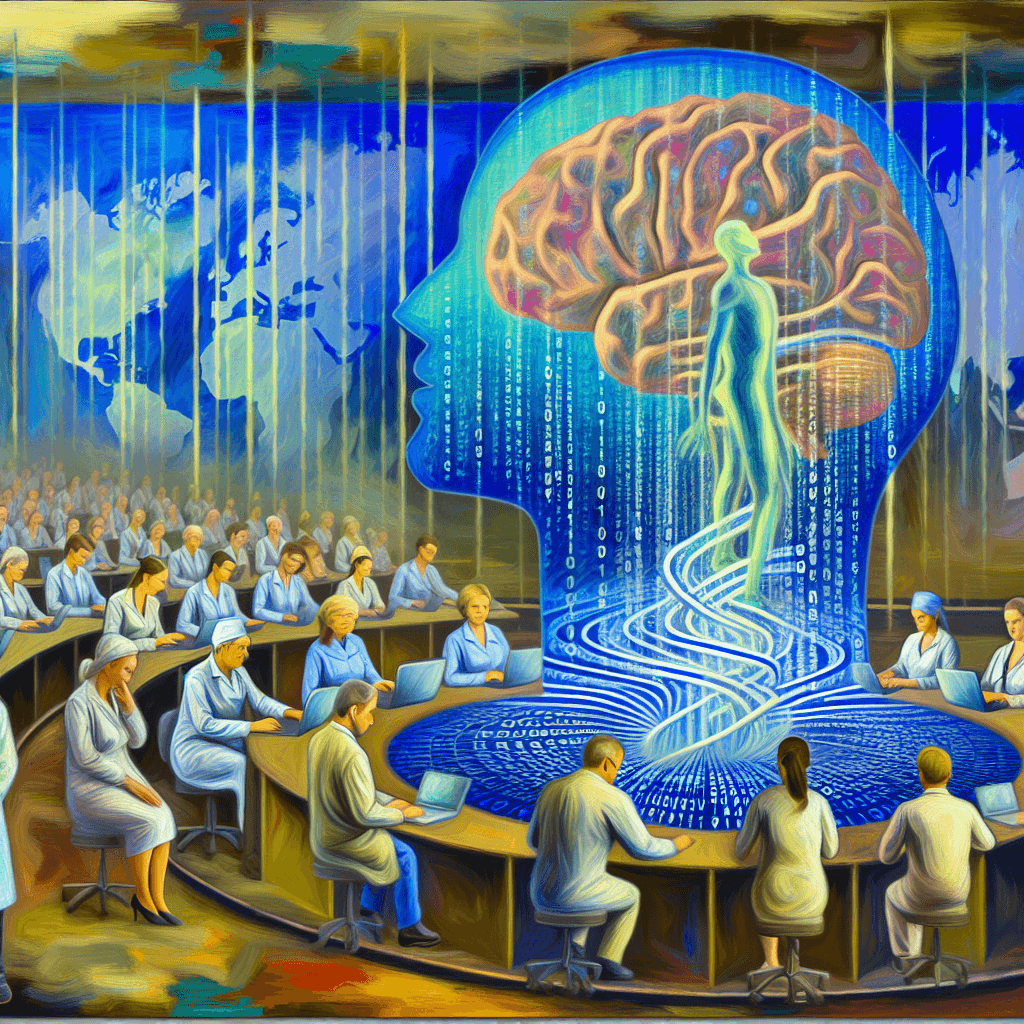
In recent years, the healthcare industry has seen a significant shift towards the use of big data to improve patient outcomes and personalize medicine. With the increasing availability of electronic health records, wearable devices, and other digital health tools, there is a vast amount of data being generated and collected in the healthcare sector. This data, when analyzed and utilized effectively, has the potential to revolutionize the way healthcare is delivered globally. One of the most significant benefits of leveraging big data in healthcare is the ability to improve patient outcomes. By analyzing large datasets, healthcare providers can identify patterns and trends that can help them make more accurate diagnoses and treatment plans. This is especially crucial in complex and chronic diseases where traditional methods may not be as effective. With big data, healthcare professionals can access a wealth of information about a patient's medical history, lifestyle, and genetic makeup, allowing for a more comprehensive and personalized approach to treatment. Moreover, big data can also help healthcare providers identify high-risk patients and intervene early to prevent adverse health outcomes. By analyzing data from various sources, such as electronic health records, insurance claims, and social media, healthcare professionals can identify patients who are at risk of developing certain conditions and provide them with targeted interventions. This not only improves patient outcomes but also reduces healthcare costs by preventing expensive treatments and hospitalizations. Another significant advantage of leveraging big data in healthcare is the ability to personalize medicine. With the traditional one-size-fits-all approach, patients often receive treatments that may not be the most effective for their specific condition. However, with big data, healthcare providers can analyze vast amounts of data to identify the most effective treatments for individual patients based on their unique characteristics. This approach, known as precision medicine, has shown promising results in improving patient outcomes and reducing healthcare costs. Furthermore, big data can also play a crucial role in drug development and clinical trials. By analyzing data from electronic health records, genetic databases, and clinical trials, researchers can identify potential drug targets and develop more effective treatments. This not only speeds up the drug development process but also reduces the cost of bringing new drugs to market. Additionally, big data can also help identify patients who are most likely to benefit from a particular treatment, making clinical trials more efficient and effective. However, leveraging big data in healthcare also comes with its challenges. One of the most significant concerns is data privacy and security. With the vast amount of sensitive patient information being collected and analyzed, there is a risk of data breaches and misuse. To address this issue, healthcare organizations must implement robust data security measures and comply with strict privacy regulations. Moreover, there is also a need for skilled professionals who can effectively analyze and interpret big data in the healthcare sector. This requires a combination of technical expertise and healthcare knowledge, which can be challenging to find. To bridge this gap, many universities and organizations are now offering specialized programs and training in healthcare data analytics. In conclusion, big data is revolutionizing global healthcare IT by improving patient outcomes and personalizing medicine. With the ability to analyze vast amounts of data, healthcare providers can make more accurate diagnoses, identify high-risk patients, and develop personalized treatment plans. However, to fully realize the potential of big data in healthcare, there is a need for robust data security measures and skilled professionals. With continued advancements in technology and data analytics, the future of healthcare looks promising, and big data will undoubtedly play a crucial role in shaping it.