
Pharmaceutical Research
Research Insights into Advanced Drug Delivery Systems
Discover the latest research on advanced drug delivery systems and their potential to revolutionize medicine. Stay informed with our insights.

Table of Contents
- Introduction
- Nanotechnology in Drug Delivery: Current Trends and Future Possibilities
- Exploring Liposomal Drug Delivery: Advantages and Challenges
- Targeted Drug Delivery using Antibody-Drug Conjugates: A Promising Approach
- Innovative Drug Delivery Systems for Gene Therapy: Opportunities and Limitations
- Q&A
- Conclusion
"Unlocking the potential of drug delivery with cutting-edge research insights."
Introduction
Advanced drug delivery systems have revolutionized the field of medicine by providing more efficient and targeted methods of delivering drugs to the body. These systems utilize various technologies and techniques to improve the efficacy, safety, and convenience of drug delivery. Through extensive research and development, insights have been gained into the design, development, and application of advanced drug delivery systems, leading to significant advancements in the treatment of various diseases and conditions. In this article, we will explore some of the key research insights into advanced drug delivery systems and their impact on modern medicine.Nanotechnology in Drug Delivery: Current Trends and Future Possibilities
Nanotechnology has revolutionized the field of drug delivery, offering new possibilities for targeted and controlled release of medications. This emerging field has gained significant attention in recent years, with researchers exploring the potential of nanotechnology in developing advanced drug delivery systems. These systems have the potential to improve the efficacy and safety of medications, as well as reduce side effects and increase patient compliance. One of the key advantages of nanotechnology in drug delivery is its ability to target specific cells or tissues. Traditional drug delivery methods often result in medications being distributed throughout the body, leading to potential side effects and reduced effectiveness. Nanoparticles, on the other hand, can be designed to specifically target diseased cells or tissues, delivering the medication directly to the site of action. This targeted approach not only reduces the risk of side effects but also allows for lower doses of medication to be used, minimizing the potential for toxicity. In addition to targeted delivery, nanotechnology also offers the possibility of controlled release of medications. This is achieved through the use of nanocarriers, such as liposomes or polymeric nanoparticles, which can encapsulate the medication and release it in a controlled manner. This is particularly useful for medications that require sustained release over a period of time, as it can improve their efficacy and reduce the frequency of dosing. Furthermore, the use of nanocarriers can protect the medication from degradation, increasing its stability and shelf life. Another area of interest in nanotechnology-based drug delivery is the development of stimuli-responsive systems. These systems are designed to release the medication in response to specific triggers, such as changes in pH, temperature, or enzyme activity. This allows for a more precise and targeted release of the medication, further improving its efficacy and reducing side effects. Stimuli-responsive systems also have the potential to be used in personalized medicine, where the release of medication can be tailored to an individual's specific needs. Nanotechnology has also opened up new possibilities for the delivery of biologics, such as proteins and nucleic acids. These molecules are often difficult to deliver using traditional methods due to their large size and susceptibility to degradation. However, nanotechnology-based delivery systems, such as nanoparticles or dendrimers, can protect these molecules and facilitate their delivery to the desired site. This has significant implications for the treatment of diseases such as cancer, where biologics are increasingly being used as targeted therapies. In addition to improving the delivery of existing medications, nanotechnology is also being explored for the development of new drug delivery systems. For example, researchers are investigating the use of nanosensors for real-time monitoring of drug levels in the body. This could potentially lead to personalized dosing regimens, where medication doses can be adjusted based on an individual's response. Nanotechnology is also being used to develop novel drug delivery routes, such as transdermal or inhalation delivery, which can improve patient compliance and convenience. While the potential of nanotechnology in drug delivery is vast, there are also challenges that need to be addressed. One of the main concerns is the potential toxicity of nanoparticles, which can be influenced by their size, shape, and surface properties. Researchers are working to develop safe and biocompatible nanoparticles, as well as methods for their targeted delivery and clearance from the body. Additionally, the scalability and cost-effectiveness of nanotechnology-based drug delivery systems need to be considered for their widespread use in clinical settings. In conclusion, nanotechnology has opened up new possibilities for advanced drug delivery systems, with the potential to improve the efficacy and safety of medications. Targeted and controlled release, stimuli-responsive systems, and the delivery of biologics are just some of the areas where nanotechnology is making a significant impact. However, further research and development are needed to address the challenges and fully realize the potential of nanotechnology in drug delivery. With continued advancements in this field, we can expect to see more innovative and effective drug delivery systems in the future.Exploring Liposomal Drug Delivery: Advantages and Challenges
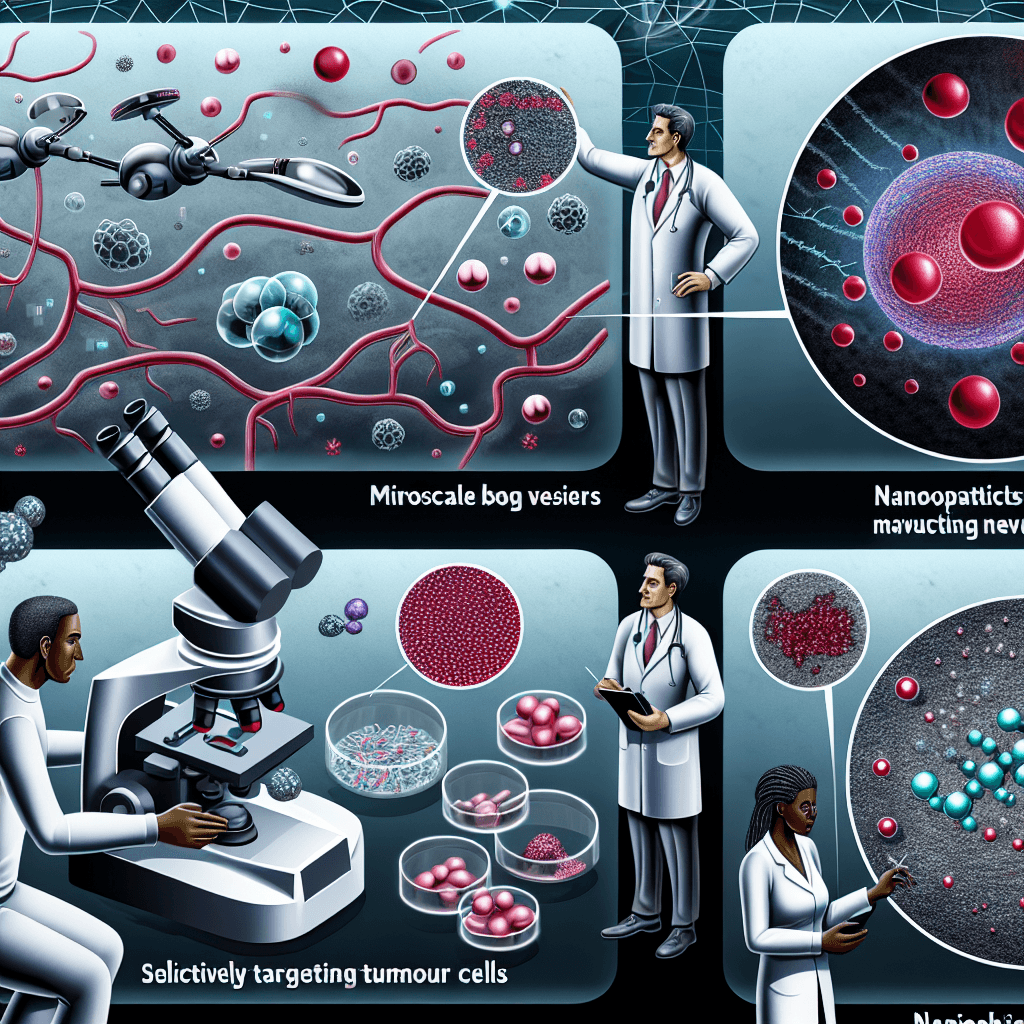
Drug delivery systems have come a long way in the past few decades, with advancements in technology and research leading to the development of more efficient and targeted methods of delivering drugs to the body. One such method that has gained significant attention in recent years is liposomal drug delivery. Liposomes are microscopic vesicles composed of a lipid bilayer that can encapsulate drugs and transport them to specific sites in the body. This article will explore the advantages and challenges of liposomal drug delivery, based on research insights. One of the main advantages of liposomal drug delivery is its ability to improve the pharmacokinetic properties of drugs. Liposomes can protect drugs from degradation and elimination in the body, allowing for a longer circulation time and increased bioavailability. This is especially beneficial for drugs that have a short half-life or are rapidly metabolized. Research has shown that liposomal formulations can significantly increase the plasma concentration and tissue distribution of drugs, leading to improved therapeutic outcomes. Moreover, liposomal drug delivery offers a targeted approach to drug delivery. The surface of liposomes can be modified with ligands or antibodies that can recognize and bind to specific receptors on target cells. This allows for the selective delivery of drugs to diseased cells, reducing the risk of side effects and improving the efficacy of treatment. For instance, liposomal doxorubicin, a chemotherapy drug, has been successfully targeted to tumor cells using this approach, resulting in reduced toxicity and improved anti-tumor activity. Another advantage of liposomal drug delivery is its ability to overcome biological barriers. The lipid bilayer of liposomes is similar to the cell membrane, making them less likely to be recognized and eliminated by the body's immune system. This allows for the transport of drugs across biological barriers such as the blood-brain barrier, which is a major challenge in the treatment of neurological disorders. Research has shown that liposomal formulations can effectively deliver drugs to the brain, opening up new possibilities for the treatment of diseases such as Alzheimer's and Parkinson's. Despite these advantages, liposomal drug delivery also presents some challenges that need to be addressed. One of the main challenges is the instability of liposomes in biological environments. The lipid bilayer can be easily disrupted by enzymes or changes in pH, leading to the leakage of drugs and reduced efficacy. To overcome this challenge, researchers have been working on developing more stable liposomal formulations, such as PEGylated liposomes, which have a longer circulation time and improved stability. Another challenge is the difficulty in scaling up liposomal drug production. The conventional methods of producing liposomes, such as sonication and extrusion, are not suitable for large-scale production. This has hindered the commercialization of liposomal drug delivery systems, as the high cost of production makes them less economically feasible. However, research is ongoing to develop more efficient and cost-effective methods of producing liposomes, such as microfluidic techniques. Furthermore, the complexity of liposomal formulations can also pose a challenge in terms of regulatory approval. The composition and manufacturing process of liposomes can vary significantly, making it difficult to establish standardized guidelines for their production and quality control. This has led to delays in the approval of liposomal drugs by regulatory agencies, hindering their widespread use in clinical practice. In conclusion, liposomal drug delivery has shown great potential in improving the efficacy and safety of drug delivery. Its ability to improve pharmacokinetic properties, target specific cells, and overcome biological barriers makes it a promising approach for the treatment of various diseases. However, challenges such as instability, scalability, and regulatory approval need to be addressed for liposomal drug delivery to reach its full potential. With ongoing research and advancements in technology, it is expected that these challenges will be overcome, leading to the widespread use of liposomal drug delivery systems in clinical practice.