
Nutraceuticals & Dietary Supplements Research
The Global Impact of Nutraceuticals on Public Health
Discover the global impact of nutraceuticals on public health and how these supplements are changing the way we approach wellness.
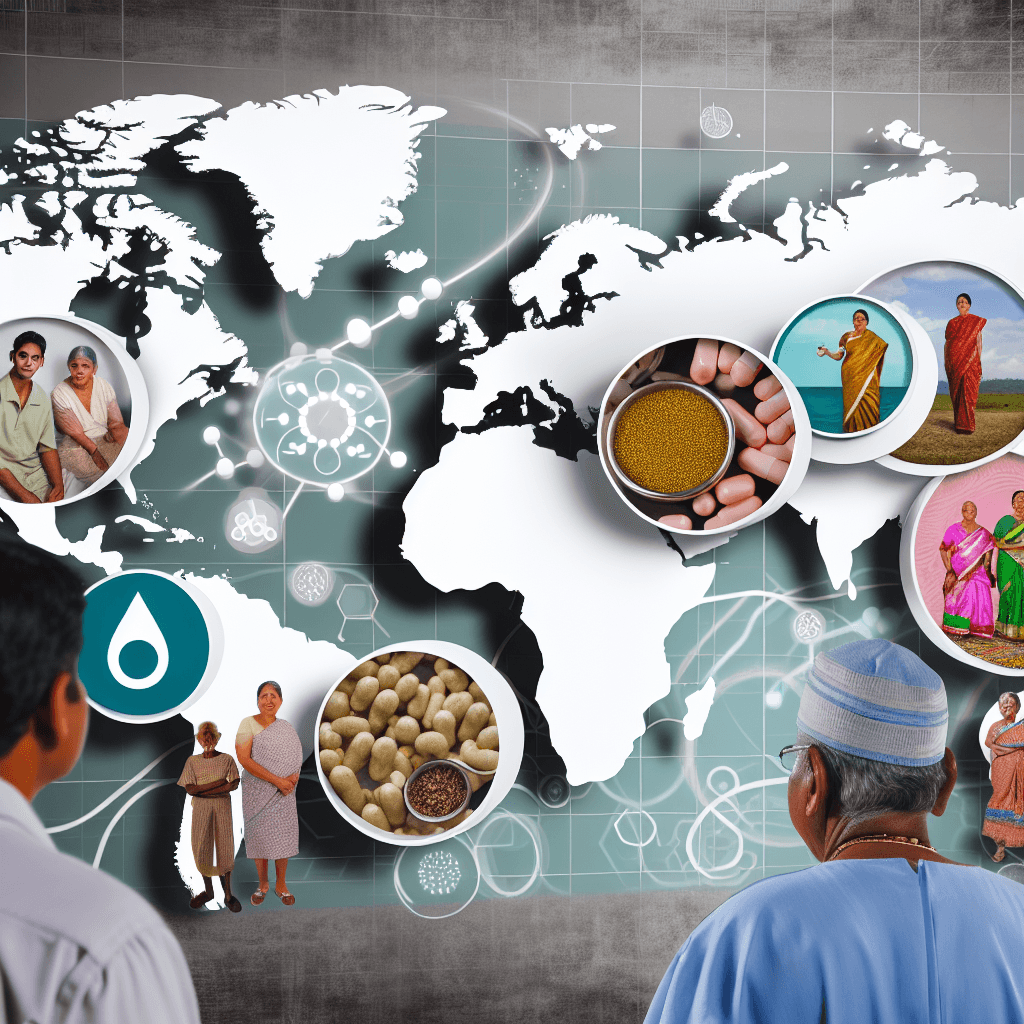
Table of Contents
- Introduction
- The Growing Popularity of Nutraceuticals in Promoting Public Health
- Exploring the Role of Nutraceuticals in Preventing Chronic Diseases
- The Impact of Nutraceuticals on Global Nutrition and Food Security
- Challenges and Opportunities for Integrating Nutraceuticals into Public Health Policies
- Q&A
- Conclusion
"Empowering communities, one nutraceutical at a time."
Introduction
Nutraceuticals, also known as functional foods or dietary supplements, have gained significant attention in recent years due to their potential impact on public health. These products are derived from natural sources and are believed to provide health benefits beyond basic nutrition. With the rise of chronic diseases and the increasing demand for natural and preventive healthcare, the global market for nutraceuticals has grown exponentially. This has led to a growing interest in understanding the potential impact of nutraceuticals on public health on a global scale. In this essay, we will explore the current state of nutraceuticals and their potential impact on public health worldwide.The Growing Popularity of Nutraceuticals in Promoting Public Health
Nutraceuticals, a term coined from the words “nutrition” and “pharmaceuticals”, refer to food or food products that provide health benefits beyond basic nutrition. These products have gained immense popularity in recent years, with more and more people turning to them as a means of promoting their overall health and well-being. This growing trend has not only impacted individuals, but also has a significant impact on public health globally. One of the main reasons for the increasing popularity of nutraceuticals is the rising awareness about the importance of preventive healthcare. With the rise in chronic diseases such as obesity, diabetes, and heart disease, people are becoming more conscious about their health and are actively seeking ways to prevent these conditions. Nutraceuticals, with their potential to improve overall health and prevent diseases, have become a preferred choice for many individuals. Moreover, the availability and accessibility of nutraceuticals have also contributed to their popularity. These products are widely available in various forms such as supplements, functional foods, and beverages, making it easier for people to incorporate them into their daily routine. Additionally, the rise of e-commerce has made it possible for people to purchase nutraceuticals from the comfort of their homes, further increasing their accessibility. The use of nutraceuticals is not limited to a particular age group or demographic. People of all ages, from children to the elderly, are turning to these products to improve their health. This widespread use of nutraceuticals has a significant impact on public health, as it promotes a culture of proactive health management. One of the key benefits of nutraceuticals is their potential to improve overall health and well-being. These products are rich in essential vitamins, minerals, and other nutrients that are necessary for the proper functioning of the body. They also contain bioactive compounds that have been shown to have various health benefits, such as reducing inflammation, boosting immunity, and improving cognitive function. Moreover, nutraceuticals have been found to be effective in managing and preventing chronic diseases. For instance, omega-3 fatty acids found in fish oil supplements have been shown to reduce the risk of heart disease, while probiotics have been found to improve gut health and prevent digestive issues. These benefits have a significant impact on public health, as they can potentially reduce the burden of chronic diseases on healthcare systems globally. The use of nutraceuticals also has a positive impact on the environment. With the increasing demand for organic and natural products, there has been a shift towards sustainable and eco-friendly farming practices. This not only benefits the environment but also ensures that the nutraceuticals produced are free from harmful chemicals and additives, making them safer for consumption. However, it is important to note that the use of nutraceuticals should not be seen as a replacement for a healthy diet and lifestyle. These products should be used as a supplement to a well-balanced diet and regular exercise. Additionally, it is crucial to consult a healthcare professional before incorporating any new nutraceutical into one’s diet, especially for individuals with pre-existing medical conditions or those taking medication. In conclusion, the growing popularity of nutraceuticals has had a significant impact on public health globally. These products, with their potential to improve overall health and prevent chronic diseases, have become a preferred choice for many individuals. However, it is essential to use them responsibly and in consultation with a healthcare professional to reap their full benefits. With the continued growth of the nutraceutical industry, it is evident that these products will continue to play a crucial role in promoting public health in the years to come.Exploring the Role of Nutraceuticals in Preventing Chronic Diseases

Nutraceuticals, also known as functional foods or dietary supplements, have gained significant attention in recent years due to their potential health benefits. These products are derived from natural sources and are believed to have medicinal properties that can prevent or treat various diseases. With the rise of chronic diseases such as obesity, diabetes, and cardiovascular diseases, the role of nutraceuticals in promoting public health has become a topic of interest for researchers and health professionals worldwide. The World Health Organization (WHO) defines nutraceuticals as “any food or part of a food that provides medical or health benefits, including the prevention and treatment of diseases.” This broad definition encompasses a wide range of products, including vitamins, minerals, herbal supplements, and probiotics. The global nutraceutical market is estimated to be worth over $200 billion, with a projected annual growth rate of 7.5%. This growth is driven by the increasing demand for natural and organic products, as well as the growing awareness of the link between diet and health. One of the main reasons for the growing interest in nutraceuticals is their potential role in preventing chronic diseases. These diseases are responsible for the majority of deaths worldwide, and their prevalence is expected to increase in the coming years. According to the WHO, chronic diseases account for 71% of all deaths globally, with cardiovascular diseases being the leading cause. These diseases are often linked to lifestyle factors such as poor diet, physical inactivity, and tobacco use. Therefore, there is a growing need for effective preventive measures, and nutraceuticals have emerged as a promising option. Several studies have shown that certain nutraceuticals can help prevent chronic diseases. For instance, omega-3 fatty acids found in fish oil have been linked to a reduced risk of heart disease. Similarly, antioxidants found in fruits and vegetables have been shown to protect against cancer and other chronic diseases. Probiotics, which are live microorganisms that provide health benefits when consumed, have also been found to improve gut health and boost the immune system. These are just a few examples of the potential health benefits of nutraceuticals. In addition to preventing chronic diseases, nutraceuticals can also play a role in managing these conditions. For instance, individuals with diabetes can benefit from supplements such as chromium and magnesium, which have been shown to improve blood sugar control. Similarly, patients with high blood pressure may benefit from consuming garlic supplements, which have been found to lower blood pressure levels. These examples highlight the potential of nutraceuticals in complementing traditional medical treatments and improving overall health outcomes. The global impact of nutraceuticals on public health goes beyond preventing and managing chronic diseases. These products also have the potential to reduce healthcare costs. Chronic diseases not only cause a significant burden on individuals and their families but also on healthcare systems. The cost of treating these diseases is expected to reach $47 trillion by 2030. By promoting preventive measures such as nutraceuticals, the burden on healthcare systems can be reduced, and resources can be allocated more efficiently. However, it is essential to note that the use of nutraceuticals should not replace a healthy diet and lifestyle. These products should be seen as a supplement to a well-balanced diet and regular physical activity. Moreover, the quality and safety of nutraceuticals must be ensured to avoid any potential adverse effects. Regulatory bodies play a crucial role in monitoring the production and marketing of these products to ensure their safety and efficacy. In conclusion, the global impact of nutraceuticals on public health is significant and continues to grow. These products have the potential to prevent and manage chronic diseases, reduce healthcare costs, and improve overall health outcomes. However, further research is needed to fully understand the mechanisms of action and potential side effects of nutraceuticals. With proper regulation and education, nutraceuticals can play a vital role in promoting public health and reducing the burden of chronic diseases worldwide.