
Consumer Goods Research
The Role of AI in Consumer Healthcare Goods Development
Discover how AI is revolutionizing the development of consumer healthcare goods, from personalized treatments to efficient supply chain management.
Table of Contents
- Introduction
- The Impact of AI on Personalized Medicine in Consumer Healthcare Goods
- How AI is Revolutionizing the Development of Medical Devices for Consumers
- The Role of AI in Improving Accessibility and Affordability of Consumer Healthcare Goods
- Ethical Considerations in Using AI for Consumer Healthcare Goods Development
- Q&A
- Conclusion
"Revolutionizing healthcare through the power of AI - creating smarter, more personalized consumer goods for a healthier future."
Introduction
Artificial intelligence (AI) has become an increasingly important tool in the development of consumer healthcare goods. With its ability to analyze vast amounts of data and make predictions, AI has the potential to revolutionize the way healthcare products are created, tested, and marketed. In this rapidly evolving field, AI is being used to improve the accuracy and efficiency of product development, as well as to enhance the overall consumer experience. In this introduction, we will explore the role of AI in consumer healthcare goods development and the impact it is having on the industry.The Impact of AI on Personalized Medicine in Consumer Healthcare Goods
The field of consumer healthcare goods has seen a significant transformation in recent years, thanks to the advancements in artificial intelligence (AI) technology. AI has revolutionized the way healthcare goods are developed, particularly in the area of personalized medicine. This article will explore the impact of AI on personalized medicine in consumer healthcare goods and how it is shaping the future of healthcare. Personalized medicine, also known as precision medicine, is an approach to healthcare that takes into account an individual's genetic makeup, lifestyle, and environment to tailor treatment plans. This approach has gained popularity in recent years as it offers more effective and targeted treatments for various diseases and conditions. However, the development of personalized medicine requires a vast amount of data and complex analysis, which can be time-consuming and costly. This is where AI comes in. AI has the ability to process and analyze vast amounts of data at a much faster rate than humans. This makes it an invaluable tool in the development of personalized medicine in consumer healthcare goods. With AI, researchers can analyze genetic data, medical records, and lifestyle information to identify patterns and make predictions about an individual's health. This allows for the development of personalized treatments and interventions that are tailored to the specific needs of each patient. One of the most significant impacts of AI on personalized medicine in consumer healthcare goods is the development of predictive models. These models use machine learning algorithms to analyze data and identify patterns that can predict an individual's risk of developing certain diseases or conditions. For example, AI can analyze a person's genetic data and lifestyle factors to predict their risk of developing heart disease or diabetes. This information can then be used to develop personalized prevention strategies and treatment plans. AI is also playing a crucial role in drug development for personalized medicine. Traditional drug development processes can take years and cost millions of dollars. With AI, researchers can analyze vast amounts of data to identify potential drug targets and predict the effectiveness of a drug in a specific patient population. This not only speeds up the drug development process but also reduces the risk of failure, ultimately leading to more effective treatments for patients. In addition to drug development, AI is also being used to develop medical devices and wearables for personalized medicine. These devices can collect real-time data on an individual's health, such as heart rate, blood pressure, and glucose levels. AI algorithms can then analyze this data to identify any abnormalities or patterns that may indicate a potential health issue. This allows for early detection and intervention, leading to better health outcomes for patients. Another significant impact of AI on personalized medicine in consumer healthcare goods is the development of virtual assistants and chatbots. These AI-powered tools can interact with patients and collect data on their symptoms, medical history, and lifestyle. This information can then be used to provide personalized health recommendations and even assist with diagnosis. Virtual assistants and chatbots are also being used to monitor patients' health remotely, reducing the need for in-person visits and improving access to healthcare. However, with all the benefits that AI brings to personalized medicine in consumer healthcare goods, there are also concerns about privacy and ethical issues. The use of personal data in AI algorithms raises questions about data protection and patient consent. There are also concerns about the potential for AI to perpetuate existing biases in healthcare, leading to unequal access to personalized treatments. In conclusion, AI has had a significant impact on personalized medicine in consumer healthcare goods. It has revolutionized the way healthcare goods are developed, making them more effective, targeted, and accessible. With continued advancements in AI technology, the future of personalized medicine looks promising, and it is undoubtedly shaping the future of healthcare. However, it is essential to address the ethical and privacy concerns to ensure that AI is used responsibly and for the benefit of all patients.How AI is Revolutionizing the Development of Medical Devices for Consumers
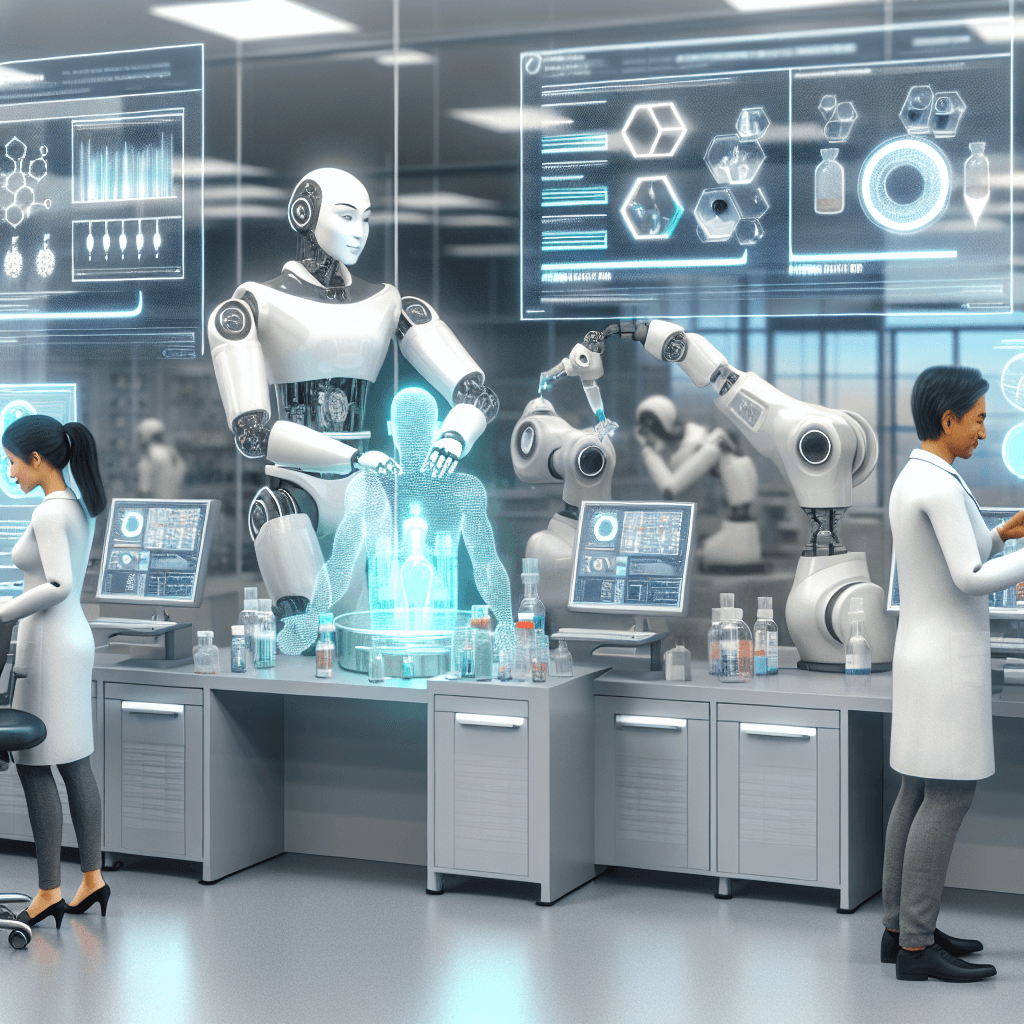
The healthcare industry has been rapidly evolving with the advancement of technology. One of the most significant developments in recent years has been the integration of artificial intelligence (AI) in the development of medical devices for consumers. AI has revolutionized the way healthcare goods are developed, making them more efficient, accurate, and accessible to the general public. AI is a branch of computer science that focuses on creating intelligent machines that can perform tasks that typically require human intelligence. In the healthcare industry, AI is being used to develop medical devices that can assist in diagnosis, treatment, and monitoring of various health conditions. These devices are designed to be user-friendly, cost-effective, and easily accessible to consumers. One of the primary benefits of using AI in the development of medical devices is its ability to analyze vast amounts of data quickly and accurately. This data can include patient information, medical records, and research studies. By analyzing this data, AI can identify patterns and trends that can help in the diagnosis and treatment of various health conditions. This not only saves time but also improves the accuracy of diagnosis, leading to better treatment outcomes for patients. Moreover, AI has the potential to improve the efficiency of medical devices. Traditional medical devices often require manual input and adjustments, which can be time-consuming and prone to human error. With AI, these devices can be programmed to perform tasks automatically, reducing the need for human intervention. This not only saves time but also reduces the risk of errors, making the devices more reliable and accurate. Another significant advantage of using AI in the development of medical devices is its ability to personalize healthcare. AI can analyze individual patient data and provide personalized recommendations and treatment plans. This is especially beneficial for chronic conditions where treatment needs to be tailored to each patient's specific needs. With AI, medical devices can be programmed to monitor a patient's health continuously and provide real-time feedback and recommendations, improving the overall quality of care. Furthermore, AI has the potential to make healthcare goods more accessible to consumers. With the rise of telemedicine and remote patient monitoring, AI-powered medical devices can be used to provide healthcare services to individuals in remote or underserved areas. This not only improves access to healthcare but also reduces the burden on healthcare systems, especially in times of crisis. However, the integration of AI in the development of medical devices also raises concerns about data privacy and security. With the vast amount of personal data being collected and analyzed, there is a risk of this information being misused or falling into the wrong hands. To address these concerns, strict regulations and protocols must be in place to ensure the protection of patient data. In conclusion, AI has revolutionized the development of medical devices for consumers. Its ability to analyze vast amounts of data, improve efficiency, personalize healthcare, and increase accessibility has transformed the healthcare industry. However, it is essential to address concerns about data privacy and security to ensure the responsible use of AI in healthcare. With continued advancements in technology, the role of AI in the development of consumer healthcare goods is only expected to grow, leading to better health outcomes for individuals worldwide.