
Nutraceuticals & Dietary Supplements Research
The Role of Nutraceuticals in Preventive Healthcare
Discover the powerful impact of nutraceuticals in preventive healthcare. Learn how these natural supplements can improve your overall well-being.

Table of Contents
- Introduction
- Benefits of Incorporating Nutraceuticals in Your Daily Diet for Preventive Healthcare
- Exploring the Science Behind Nutraceuticals and Their Impact on Preventive Healthcare
- The Role of Nutraceuticals in Managing Chronic Diseases and Promoting Preventive Healthcare
- Understanding the Importance of Quality and Safety in Nutraceuticals for Preventive Healthcare
- Q&A
- Conclusion
"Empowering your health with the power of nature - Nutraceuticals for a healthier tomorrow."
Introduction
Nutraceuticals, also known as functional foods or dietary supplements, have gained significant attention in recent years for their potential role in preventive healthcare. These products are derived from natural sources and are believed to provide health benefits beyond basic nutrition. With the rise in chronic diseases and the increasing interest in holistic approaches to health, the use of nutraceuticals has become a popular topic in the field of preventive healthcare. In this essay, we will explore the role of nutraceuticals in preventive healthcare and their potential benefits for overall health and well-being.Benefits of Incorporating Nutraceuticals in Your Daily Diet for Preventive Healthcare
Nutraceuticals, a term derived from the words "nutrition" and "pharmaceuticals," refer to food or food products that provide health benefits beyond basic nutrition. These products have gained popularity in recent years as people become more conscious of their health and seek preventive measures to maintain it. With the rise of chronic diseases and lifestyle-related illnesses, the role of nutraceuticals in preventive healthcare has become increasingly important. Incorporating nutraceuticals into your daily diet can have numerous benefits for your overall health and well-being. These products are rich in essential vitamins, minerals, and other nutrients that are vital for maintaining a healthy body. They also contain bioactive compounds that have been scientifically proven to have health-promoting properties. One of the main benefits of incorporating nutraceuticals into your daily diet is their ability to boost the immune system. The immune system is responsible for protecting the body against diseases and infections. Nutraceuticals such as probiotics, prebiotics, and antioxidants have been shown to enhance the immune system's function, making it more effective in fighting off illnesses. This is especially important in today's world, where the threat of infectious diseases is ever-present. Moreover, nutraceuticals can also help in preventing chronic diseases. Chronic diseases, such as heart disease, diabetes, and cancer, are the leading causes of death worldwide. These diseases are often linked to poor dietary habits and lifestyle choices. Nutraceuticals, on the other hand, provide the body with essential nutrients and bioactive compounds that can help prevent the development of these diseases. For example, omega-3 fatty acids found in fish oil have been shown to reduce the risk of heart disease, while polyphenols in green tea have been linked to a lower risk of cancer. In addition to preventing diseases, nutraceuticals can also help in managing existing health conditions. For instance, people with high cholesterol levels can benefit from incorporating plant sterols and stanols into their diet. These compounds have been shown to lower cholesterol levels and reduce the risk of heart disease. Similarly, individuals with joint pain and inflammation can benefit from consuming turmeric, a spice with anti-inflammatory properties. Another benefit of nutraceuticals is their role in promoting mental health. The brain requires a constant supply of nutrients to function properly, and deficiencies in certain nutrients have been linked to mental health disorders such as depression and anxiety. Nutraceuticals such as omega-3 fatty acids, B vitamins, and magnesium have been shown to have a positive impact on mental health by improving mood and reducing symptoms of depression and anxiety. Moreover, incorporating nutraceuticals into your daily diet can also improve your overall quality of life. These products can provide a natural energy boost, improve digestion, and promote healthy skin, hair, and nails. They can also help in weight management by providing essential nutrients while keeping calorie intake in check. It is important to note that nutraceuticals are not a replacement for a healthy diet and lifestyle. They should be used as a supplement to a well-balanced diet and regular exercise. However, incorporating them into your daily routine can provide additional health benefits and help prevent the development of diseases. In conclusion, the role of nutraceuticals in preventive healthcare cannot be overstated. These products offer a natural and effective way to boost the immune system, prevent chronic diseases, manage existing health conditions, and promote mental health. By incorporating them into your daily diet, you can reap the numerous benefits they offer and improve your overall health and well-being. So, make sure to include nutraceuticals in your daily routine and take a step towards a healthier and happier life.Exploring the Science Behind Nutraceuticals and Their Impact on Preventive Healthcare
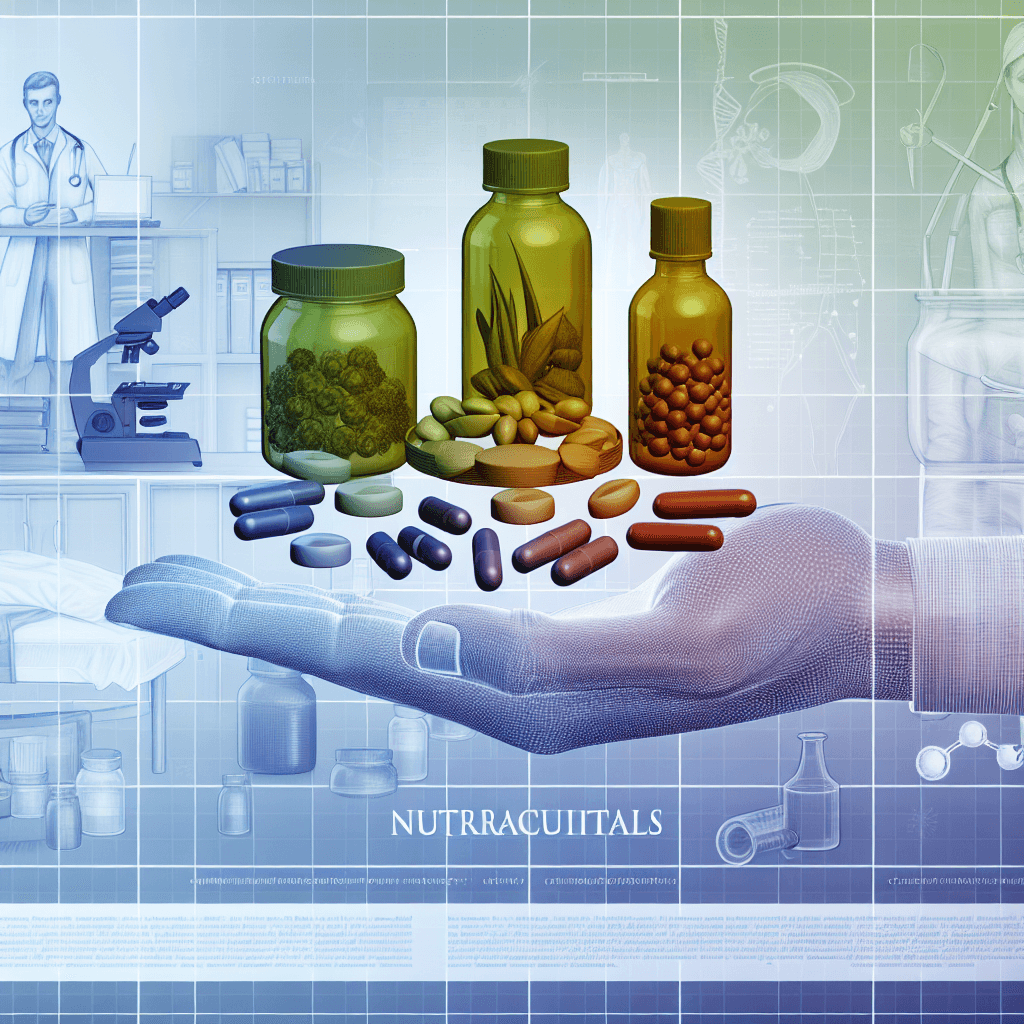
Nutraceuticals, a term coined from the words “nutrition” and “pharmaceuticals”, refer to food or food products that provide health benefits beyond basic nutrition. These products have gained popularity in recent years as people become more conscious of their health and seek preventive measures to avoid diseases. The use of nutraceuticals in preventive healthcare has been a topic of interest for researchers and healthcare professionals, as they explore the science behind these products and their potential impact on overall health. The concept of using food as medicine is not new. In fact, ancient civilizations have long recognized the healing properties of certain foods and herbs. However, it was not until the 1980s that the term “nutraceuticals” was first used by Dr. Stephen DeFelice, founder and chairman of the Foundation for Innovation in Medicine. Since then, the market for nutraceuticals has grown exponentially, with a wide range of products available, including dietary supplements, functional foods, and beverages. One of the key reasons for the popularity of nutraceuticals is their potential role in preventive healthcare. With the rise of chronic diseases such as diabetes, heart disease, and cancer, there is a growing need for effective preventive measures. Nutraceuticals, with their natural and holistic approach, have been touted as a potential solution to this problem. But what exactly is the science behind these products and how do they impact preventive healthcare? Firstly, nutraceuticals are believed to work by providing essential nutrients and bioactive compounds that support the body’s natural defense mechanisms. For example, antioxidants found in fruits and vegetables can help neutralize free radicals, which are known to cause cellular damage and contribute to the development of chronic diseases. Similarly, omega-3 fatty acids found in fish oil have been shown to have anti-inflammatory properties, which can help reduce the risk of heart disease and other inflammatory conditions. Moreover, nutraceuticals can also influence gene expression and cellular signaling pathways, which play a crucial role in disease prevention. For instance, curcumin, a compound found in turmeric, has been shown to modulate gene expression and inhibit the growth of cancer cells. Similarly, resveratrol, a compound found in red grapes, has been found to activate genes that promote longevity and protect against age-related diseases. In addition to their direct impact on the body, nutraceuticals can also play a role in preventive healthcare by promoting healthy lifestyle habits. Many nutraceutical products are marketed as part of a healthy diet and exercise regimen, encouraging individuals to make positive changes in their daily routines. This can have a significant impact on overall health, as a healthy lifestyle is known to be one of the most effective ways to prevent chronic diseases. However, it is important to note that the use of nutraceuticals in preventive healthcare is not without controversy. Some critics argue that the evidence supporting the health benefits of these products is limited and that they are often marketed with exaggerated claims. Furthermore, the lack of regulation in the nutraceutical industry has raised concerns about the safety and efficacy of these products. To address these concerns, researchers continue to conduct studies to better understand the science behind nutraceuticals and their potential impact on preventive healthcare. The results of these studies can help healthcare professionals make informed recommendations to their patients and guide individuals in making informed decisions about their health. In conclusion, the use of nutraceuticals in preventive healthcare is a growing trend that has captured the interest of researchers and healthcare professionals. The science behind these products suggests that they can provide essential nutrients and bioactive compounds that support the body’s natural defense mechanisms and influence gene expression and cellular signaling pathways. However, more research is needed to fully understand the potential benefits and risks of nutraceuticals in preventive healthcare. As with any health-related decision, it is important to consult with a healthcare professional before incorporating nutraceuticals into one’s diet.